
How to Get a Block Party Permit in Nashville
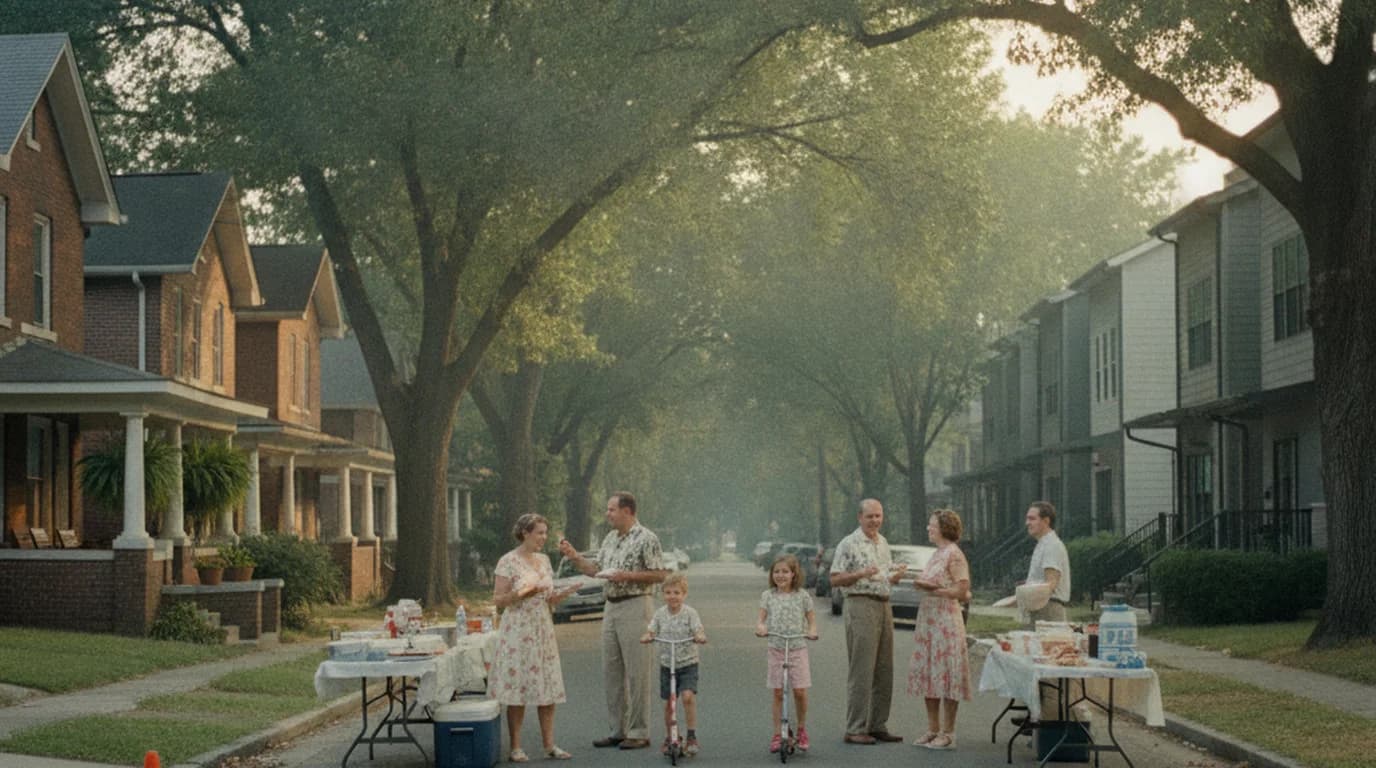
The house on the corner has been in the same family since Reagan. Two doors up, a couple closed in March and are still putting the recycling out on the wrong night. Nobody has introduced them.
That is a lot of Nashville right now. Half a block has watched the neighborhood change around them for thirty years and half of it moved in since spring. Everybody waves. Nobody knows names.
Getting a block party permit in Nashville is the easy part of fixing that. It is free and it happens online, and Metro would rather you did it than not. The work is the two-thirds of your neighbors who have to sign off before Metro will look at anything, which is to say the work is meeting them, which was the whole point.
NDOT, Open Streets, and the phrase to search for
You are applying to the Nashville Department of Transportation and Multimodal Infrastructure, NDOT, for a Block Party Street Closure Permit. It is a sub-type of NDOT's temporary street closure permit, and every right-of-way permit in Metro runs through ePermits, with no paper alternative.
NDOT runs the program as Open Streets, with the nonprofit Walk Bike Nashville. In that vocabulary your block party is a "Neighborhood Open Street," which is the phrase to search nashville.gov for. Keep two documents open: the temporary street closure permits page and the Open Streets Community Guide and Toolkit, a 35-page PDF whose permitting section starts on page 16 and is the most useful thing Metro has written.
Nashville is a consolidated city-county, so there is no separate Davidson County permit. One caveat if your mail says Nashville: six satellite municipalities sit inside the county and are not Metro for street purposes, which is Belle Meade, Berry Hill, Forest Hills, Oak Hill, Goodlettsville and Ridgetop. If you live in one, call your own city hall. I could not verify how any of them handles a closure, but NDOT is not your agency.
A block party permit in Nashville costs nothing at all
NDOT states it plainly: "There is no fee for a residential block party temporary street closure permit." The toolkit repeats it on page 19. It used to be $20 for the day.
One piece of fine print. The 2026 fee ordinance, BL2026-1358, wrote the waiver as discretionary: applicants "may seek, and NDOT may grant, an exemption from the permit fee." NDOT updated its public page in July 2026 and still calls the permit free, so expect to pay nothing. The code just never puts it down as a flat $0.
No insurance is required either, which is a real departure from most cities.
Money only appears if you fall into the Special Events Permit, which runs $785 through June 30, 2027 and climbs to $1,245 and then $1,700 over the two years after. It also has a hard 45-day deadline; file inside it and you are denied. Older fee figures in the toolkit predate the increase, so trust the application page.
Two-thirds of the addresses have to sign
This is the requirement that turns a permit into a month of your life.
NDOT wants signatures from two-thirds of the residential addresses inside your closure footprint before it approves anything. The permit page says "66% of the affected residents"; the toolkit is more precise, asking for "residents representing at least two thirds of the residential addresses on the closure." So the denominator is doors.
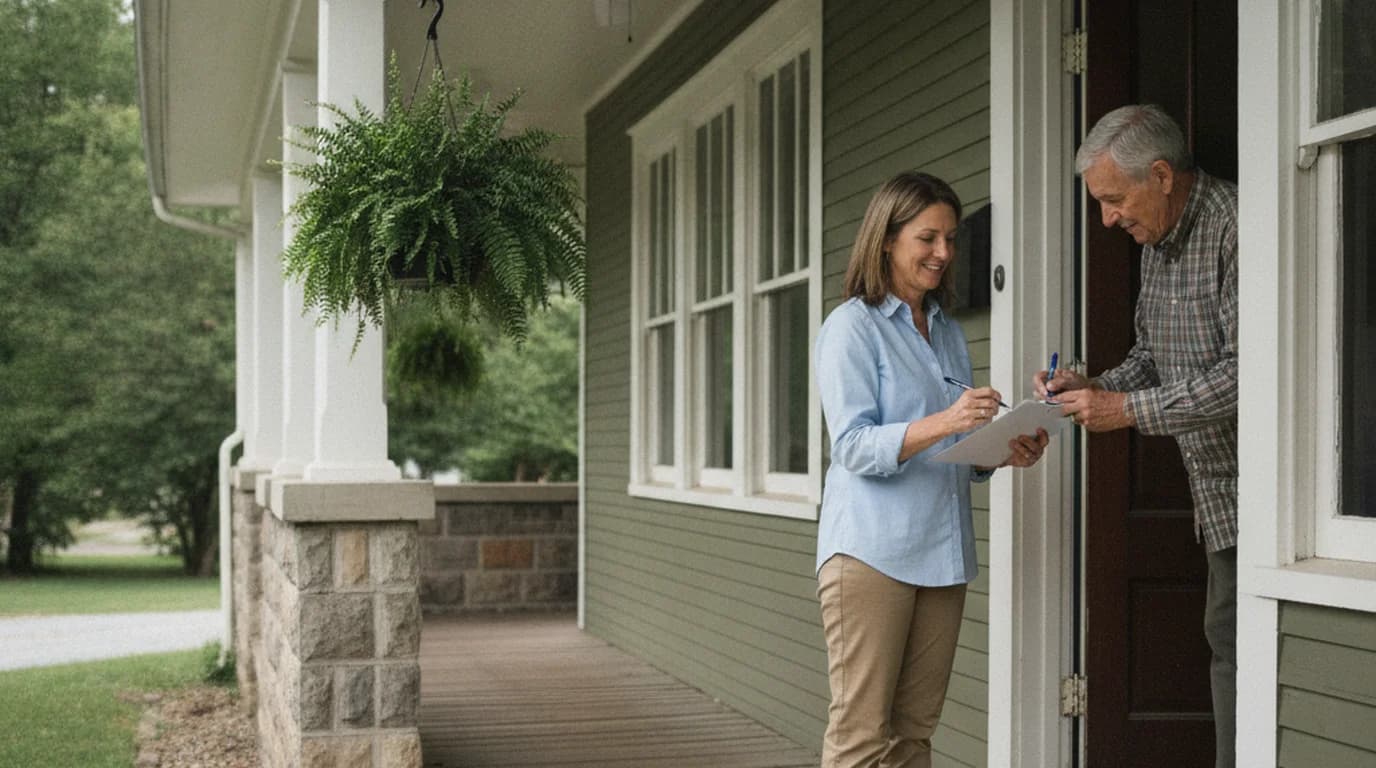
Collection is wide open. The toolkit takes signatures "collected in various ways," door-to-door on paper or "digitally (something as simple as a Google Form indicating name and residence)." A clipboard is fine. So is a form link pasted into a text.
NDOT's own advice is to open the application before you collect signatures, so you know your footprint and can name a date when somebody opens the door. Its case study admits the signatures "took a couple rounds." Budget two passes and write down which houses were dark.
A separate notification letter then goes to every impacted household two weeks out. That letter is notice; the signature sheet is consent. Both land at T-minus-14, which is why two weeks is the minimum and a month is the honest number.
Whether your street qualifies, and the 75-person trap
Two tests, and nobody flags either one for you.
Street classification. This permit only covers neighborhood streets. Anything Metro classifies as a collector or an arterial boulevard needs the Special Events Permit. Look yours up on the Major and Collector Street Plan map: collectors and arterials show up color-coded red with a street code containing AB or CA. A neighborhood street carries no color coding at all, usually posting 25 mph with no lane lines painted on it. A center line down your street means go check the map first.
Seventy-five people. More than 75 in the roadway at any one time and you need the Special Events Permit, at $785 and 45 days, on an otherwise perfectly eligible street. That cap applies regardless of roadway classification, which makes it the likeliest way a Nashville host lands in the wrong permit lane.
Be honest about the number. Thirty households, each bringing kids and a couple of friends from two neighborhoods over, clears 75 by four in the afternoon without anybody intending it. Which is a decent argument for tracking who is coming instead of estimating.
One last eligibility rule: residents only. A business cannot use this permit for its own location.
Your traffic control plan is a drawing
You have to submit a traffic control plan, which sounds more official than it is. It is a drawing of where the closure starts and stops and where each sign and barricade goes. NDOT publishes fill-in templates on its traffic control guidelines page, two of them labeled as applicable to block party closures. No engineer stamp for a one-day closure; that starts at seven days.
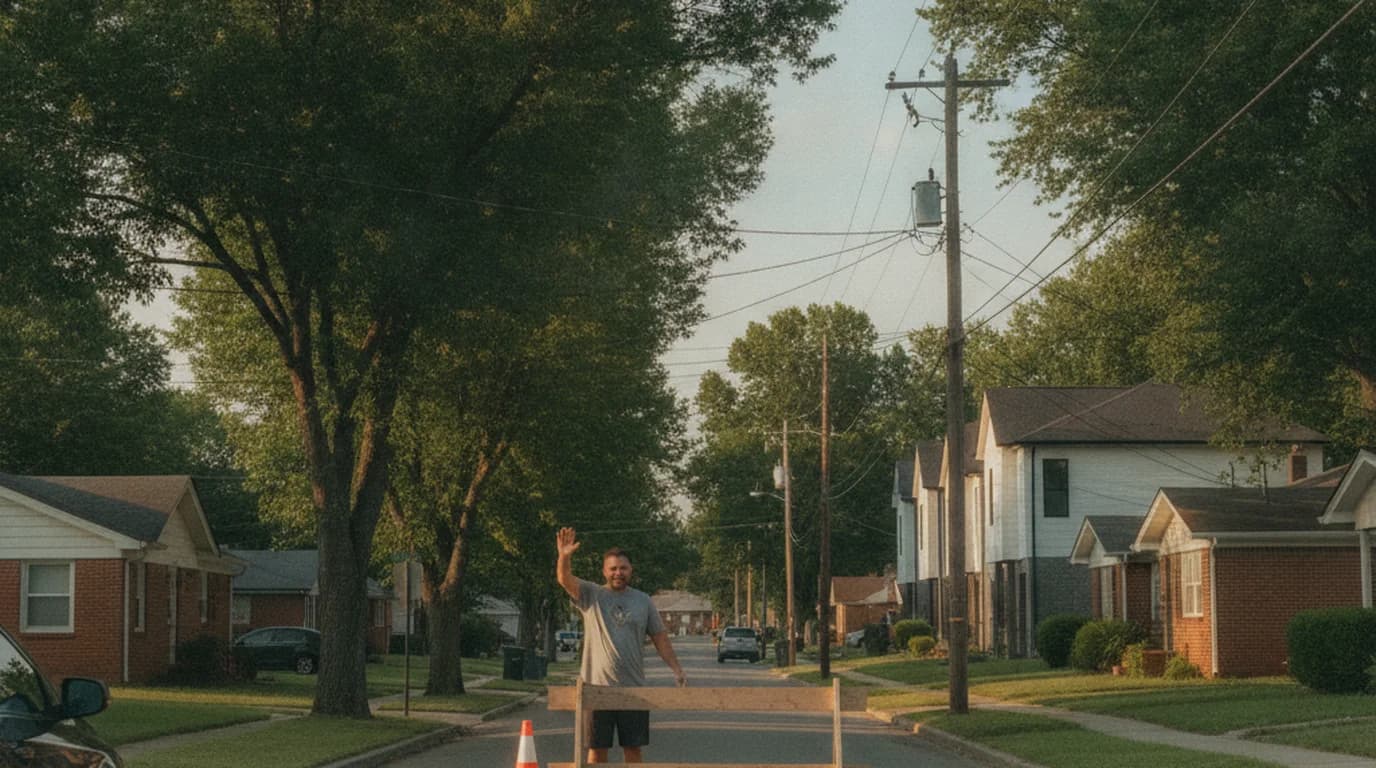
Signage and barricades have to be MUTCD-approved, and "approved" is doing less work than it looks. NDOT lends the materials free through Open Streets Sign Share, and Walk Bike Nashville lends from its own stock. Sign Share supply is limited and first come, so ask early. The toolkit also blesses improvising outright: "You can also use simple materials like cones, yard signs, household items, and personal vehicles to block the road."
The closure exists to keep through traffic off your street, and your neighbors still have to get their own cars in and out. NDOT suggests naming a Street Captain to keep the signage in place and "escort any local residents who need to access their home through the street by car." Pick that person during setup. Whoever is nearest the barricade when a car rolls up will be holding a plate.
Structures are the other rule, and it comes down to emergency access. The toolkit names performance stages and bouncy houses, and the test is whether the thing can be "easily and/or quickly" moved. A folding table passes. An inflatable staked into the asphalt does not.
Start to finish
- Check the MCSP map. Uncolored with no AB or CA code and you are eligible. Red and you are reading the wrong permit page.
- Sanity-check the headcount against the 75-person cap, and confirm nobody is bringing a stage or an inflatable.
- Start about a month out, with everything finalized roughly a week before the event.
- Draw the traffic control plan from NDOT's block party template.
- Collect signatures from two-thirds of the residential addresses in the footprint. Paper or digital, name and address either way.
- Apply through ePermits at least two weeks out. Click New NDOT Permit, choose NDOT Closure Permit as the type, then NDOT Street Closure for Block Party as the sub-type. Scope of work can read "Neighborhood Open Street" and nothing else. Upload the signatures and the plan.
- Send the notification letter two weeks out to every impacted household in the footprint.
- Reserve signs and barricades through the Sign Share request on the Open Streets page, or ask Walk Bike Nashville.
- Name your street captain and set the barricades per the approved plan. Emergency vehicles need the roadway all day.
The permit covers one day. Questions go to the NDOT permits office at 615-862-8782 or openstreets@nashville.gov; the office at 750 S 5th St is open weekdays 8:00 a.m. to 4:30 p.m.
Four questions Metro answers nowhere in writing
Four things every host asks about, and Metro answers none of them in writing. Call rather than assume.
Alcohol. No official Metro page I could find says whether alcohol is allowed at a permitted block party. This permit closes a street. It says nothing about what you drink on it. Nashville does have a public open-container prohibition, and I could not pull the controlling code section from an official source, so do not read silence as a yes. Ask the Beer Board at 615-862-6751.
Amplified sound. Metro's noise rules live in a different title of the code, and no sound permit appears anywhere in the block party materials. Whether a closure permit exempts you from the residential amplification limits is not published.
Grills, open flame and tents get no treatment at all. The nearest published rule is at the Special Events tier, where a tent over 400 square feet triggers its own permit.
Hours. Nothing is published beyond "one day." No start time, no cutoff. Metro states no limit on how much street you can close either.
Two things are not required, whatever your neighbor insists: council district sign-off and police approval. The toolkit does suggest contacting your council member, which is outreach advice sitting inside a permitting document, so it reads like a rule. MNPD review belongs to the Special Events Permit.
Outside Davidson County everything above changes, which is why the series runs city by city.
Reagan and March
Two-thirds of your street has now talked to you face to face, which is more than most people manage in a decade. Nobody knows what time it starts yet.
Assign the food first. Thirty households left to improvise will produce a lot of ranch and nothing to put it on, and the potluck guide has the sign-up structure that heads that off.
And if that couple in March never got around to a housewarming, this is the version where somebody else hosts it for them.
The house that has been there since Reagan and the couple who closed in March both need to hear about this, and they do not read the same things. Describe the party to Lemonvite, send the invitation by text, and print the QR code from your published event onto a flyer for the doors you cannot text. Both routes land on the same public RSVP page. Watch the count against your 75-person ceiling, and message everyone attending when the plan changes.