
How to Plan a Housewarming Party: The Complete Guide
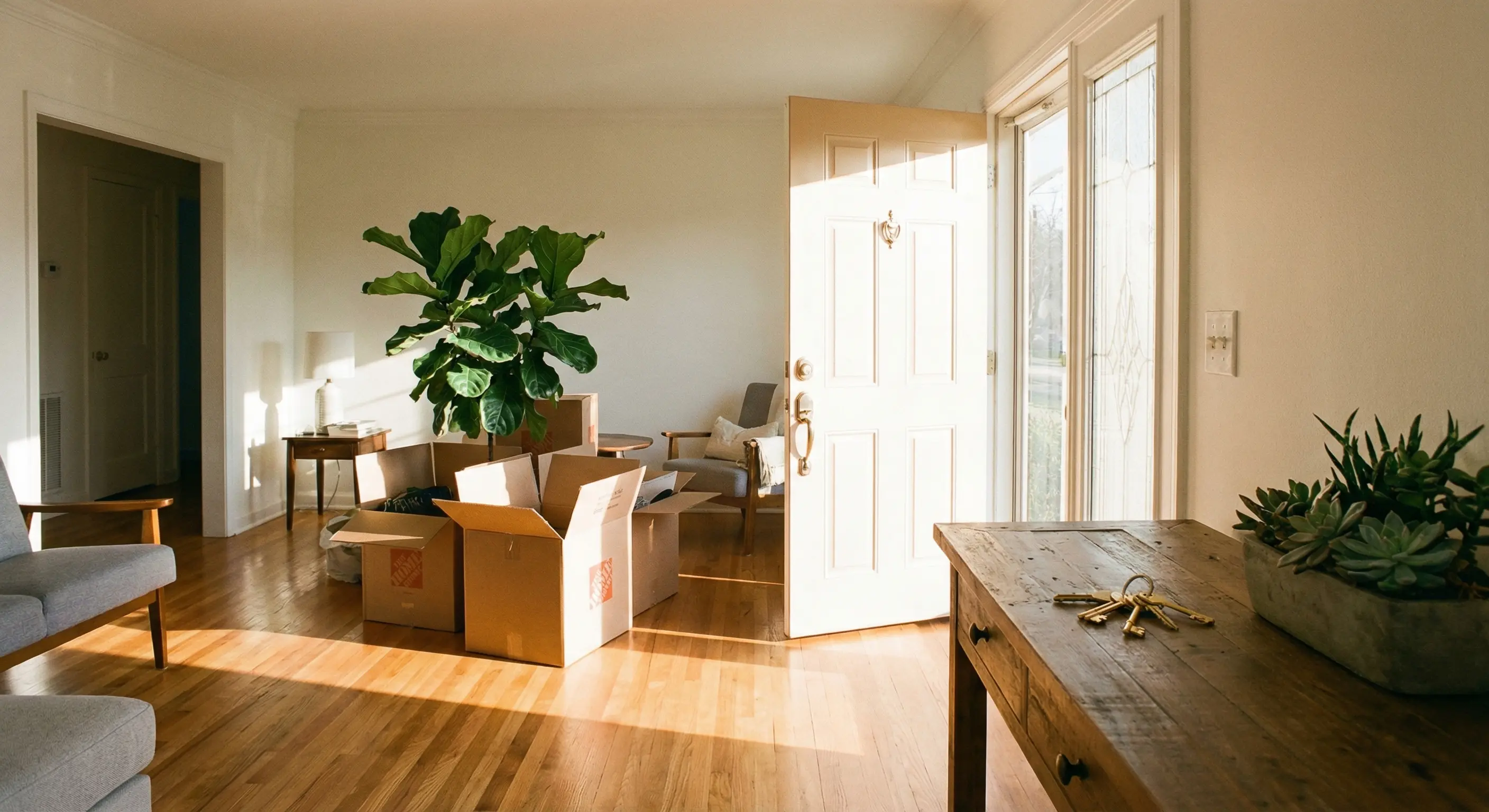
You just got the keys. The boxes are stacked in the living room. The fridge has exactly one condiment in it. And somewhere between the exhaustion and the excitement, a thought creeps in: "I should throw a housewarming party."
You absolutely should. A housewarming is your chance to stand in the doorway and say: this is my space now, come see it, come fill it with laughter and the smell of good food, come make it feel like home.
The trouble is that most people overthink it. They wait until every room is "finished" (it never is), agonize over the menu, then send a half-hearted text three days before and wonder why only four people show up.
I have hosted two housewarmings, helped plan a handful more, and attended enough to know what works and what does not. This is the guide I wish I had for the first one.
Timing Is Everything
Do not wait until the house is perfect. Seriously. If you wait for the gallery wall to be hung and the bathroom to be fully renovated, you will never throw the party.
The sweet spot is two to six weeks after you move in. Early enough that people are curious about your new place. Late enough that you have unpacked the essentials and can locate your bottle opener.
Saturday afternoons work best for housewarmings. An open house format, say 2 PM to 6 PM, takes the pressure off. People drift in and out. You do not need to orchestrate a sit-down dinner for 30 people. You just need snacks, drinks, and an open door.
The Guest List Question
This is where most people freeze. Who do you actually invite?
My rule: invite everyone you would want to have over individually within the next six months. Neighbors you have met (and want to see again). Close friends. Colleagues you actually like. Family members within driving distance.
Do not be shy about the number. Housewarmings have a natural dropout rate of about 30-40%. If you invite 50, expect 30-35. If you invite 20, expect 12-15. Plan accordingly.
One thing I strongly recommend: enable plus-ones. Housewarmings are casual. People want to bring their partner, their roommate, their friend who is visiting from out of town. Let them. The more the merrier applies here more than almost any other type of gathering.
Send Invitations People Actually See
This is the part where I get opinionated.
Skip the Facebook event. Half your friends have notifications turned off. A WhatsApp group will devolve into memes and side conversations within 24 hours. And an Instagram story you posted at noon is buried by dinner.
You need an actual invitation that lands directly in someone's hands.
I use Lemonvite for this, and the reason is simple: SMS invitations have a 98% open rate. When your invite arrives as a text message, people see it and RSVP that same afternoon. It is the same case I make in my baby shower planning guide, and it holds even more for a casual drop-in like this.
The design part is fun too. With Lemonvite's design engine, you describe what you want in words and get a completely custom invitation. No templates. No generic clip art. For a housewarming, I uploaded a photo of my front door as a reference image and described the vibe I wanted. The result felt personal in a way that a Canva template never could.
You can also send invitations via email if you prefer, but for a casual event like a housewarming, SMS cuts through the noise better than anything else. And if you have friends who moved abroad, the same invite reaches guests outside the US and Canada over WhatsApp, so nobody gets left off the list.
If the words themselves are what's holding you up, I put together housewarming invitation wording sorted by the kind of place you just moved into, first apartment through forever home.
Food and Drinks: Keep It Simple
I am going to save you from yourself here. You do not need to cook a five-course meal. You are not auditioning for a cooking show. You just moved in. Your kitchen might not even be fully functional yet.
The ideal housewarming spread is a generous snack table. Think:
- A cheese board with crackers, fruit, and nuts
- A couple of dips with chips and veggies
- A simple pasta salad or grain bowl
- Something sweet (store-bought is fine, nobody will judge you)
- A cooler of beer and wine, plus a non-alcoholic option

If you want to get clever, set up a "build your own" station. Tacos, bruschetta, or a bagel bar. It is interactive, it feeds a crowd, and it does not require you to plate 40 individual dishes.
One pro tip: use Lemonvite's "What to Bring" section on your event page. List specific items like "a bottle of wine" or "a dessert to share." People genuinely want to contribute. Give them direction instead of getting four bags of chips and nothing else.
The Tour
People are coming to see your place. Give them what they want.
You do not need to narrate every design choice. Just leave doors open to the rooms you are comfortable showing. Put a few things in the bathroom that signal "yes, this room is available to guests" (hand towels, soap, a candle).
If there are rooms that are still a disaster zone, close the door. No one will think twice about it.
For the tour itself, keep it casual. Walk small groups through when they arrive. Point out your favorite details. The weird closet. The view from the bedroom window. The kitchen tile you agonized over for three weeks. People love hearing the story behind the space.
Managing RSVPs Without Losing Your Mind
For a housewarming with an open-house format, you need a rough headcount. Not an exact one. You need to know the difference between "15 people" and "45 people" so you can buy the right amount of food and drinks.
This is where a proper RSVP system pays for itself. When I send invitations through Lemonvite, guests can respond with Attending, Maybe, or Declined right from the invitation. No account required. No app to download. They just tap and respond.
The RSVP notes field is surprisingly useful for housewarmings. I added a prompt that said "Any dietary restrictions or allergies?" and got back genuinely helpful responses. One friend is celiac. Another does not drink alcohol. I would not have known to plan for that without asking.
You can also see who has viewed your invitation but has not responded yet. A gentle nudge via the broadcast feature to just the non-responders ("Hey, trying to get a headcount for Saturday, would love to see you there!") works wonders without annoying the people who already replied.
Decor: Less Is More
Your home is the decor. That is the whole point.
Add some fresh flowers. Light a few candles. Put on a good playlist. Maybe hang a small "welcome home" banner if you are feeling festive. That is it.
Do not stress about matching napkins or centerpieces. You are not throwing a wedding. The best housewarming parties feel warm and lived-in, like a home that someone actually uses.
The Co-Host Advantage
If you have a partner, roommate, or close friend who is willing to help, bring them in as a co-host. Moving is exhausting. Party planning on top of unpacking is a lot. Splitting the work makes everything more manageable.
On Lemonvite, you can invite up to 10 co-hosts who can help manage the guest list, send updates, and keep track of RSVPs. It means you are not the single point of failure on party day. Someone else can send the "running 30 minutes behind, come at 2:30!" broadcast while you are arranging the cheese board.
Day-Of Checklist
Here is what your morning should look like:
- Set up the food and drink station an hour before start time
- Do a quick clean of the bathroom, kitchen, and main living areas (skip the rest)
- Queue up a playlist that is long enough to run the entire party without repeating
- Put out a small welcome sign or note by the door
- Check your RSVP dashboard one last time for the final headcount
- Chill. You are hosting a party. It is supposed to be fun for you too
After the Party
Send a quick thank-you. A broadcast message to everyone who attended ("Thanks for warming our home last night, it meant the world") takes 30 seconds and leaves a lasting impression.
If people brought gifts (plants, candles, bottles of wine), a personal text to each of them goes a long way.
And take a moment to sit in your space after everyone leaves. It feels different now. Fuller. More like home.
Ready to Plan Yours?
A housewarming does not need to be complicated. It needs to be warm, welcoming, and organized just enough that you can actually enjoy it.
Create your housewarming invitation on Lemonvite and send it in minutes. Your new home deserves a proper introduction. At just $5 per event, it is the easiest part of moving in.