
How to Get a Block Party Permit in Charlotte
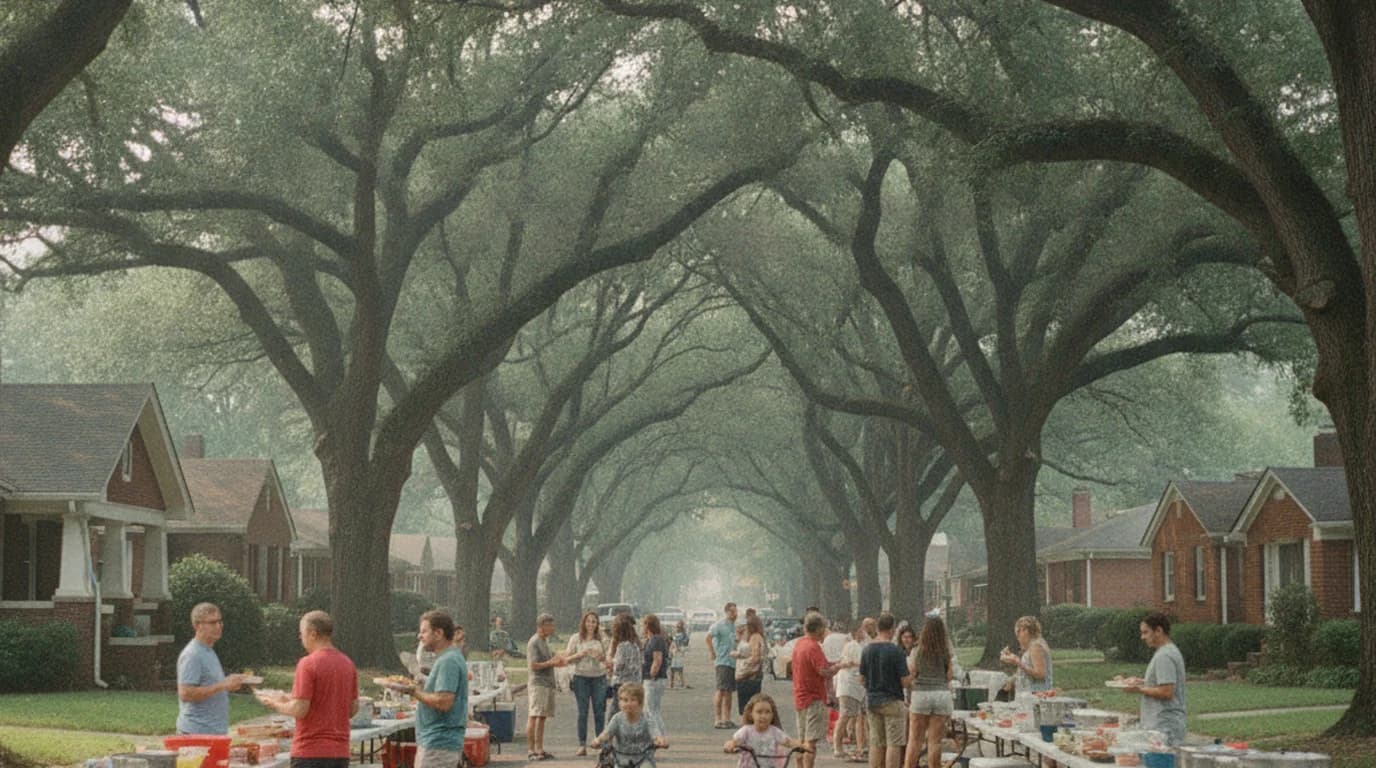
Nobody on my block grew up here. The couple on the corner came down from Cleveland four years ago and still say "moving south" like it was an expedition. The woman two doors up got transferred by a bank and knew one person in the state when she signed the lease.
That is a lot of Charlotte. The city grows by arrival, and on plenty of streets the longest-tenured household still counts its time here in single digits.
Which changes what a block party permit in Charlotte is actually for. Where four generations share a street, closing the road is a tradition somebody's grandmother started. Here it is closer to infrastructure: the mechanism by which forty adults who all moved for a job end up with somebody to call when a willow oak comes down across the power line.
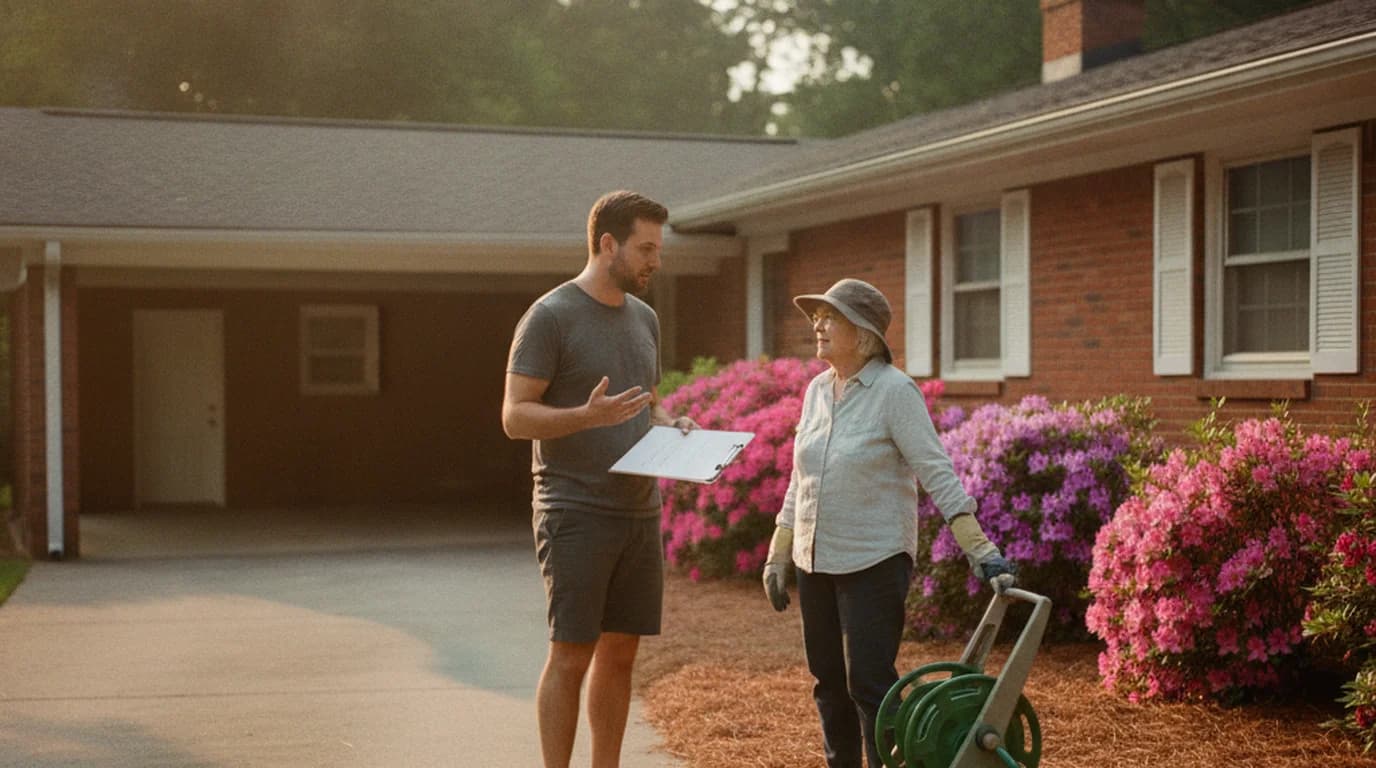
Charlotte has that built into the paperwork, whether the city meant it that way or not. CDOT will not close your street until 51% of the people living on it have signed a petition asking for the closure. So the party where you finally meet the block is gated behind meeting half of it first, on porches, with a clipboard. That is the hard part. The rest is a month of lead time and a filing order that trips up almost everybody.
Three names for one document
You are applying to the Charlotte Department of Transportation, which everybody here just calls CDOT. City department, no county layer.
You will meet three names for one thing. CDOT's page heads the section Block Party Requests, the rules document is titled Block Party Regulations, and the form your neighbors sign is a Block Closing Petition. The authority underneath is North Carolina General Statute 160A-300, delegated by city code to CDOT, with the Director of Transportation signing off.
Stay on this track if you can. It is the lighter of Charlotte's two event permits. Parades, festivals, races, and anything involving alcohol or vendors go through the Application for Events, Parades, and Festivals instead, which carries real fees and a million dollars of required insurance.
Two documents matter, both hanging off CDOT's Closings, Street Use and Events page: the Block Party Regulations PDF dated January 2024, and the Block Closing Petition. The regulations run 14 numbered conditions and take ten minutes, worth it given that your neighbors are agreeing to all of them.
CDOT covers city-maintained streets inside the city line. Huntersville, Matthews, Mint Hill, Cornelius, Davidson, Pineville, and unincorporated Mecklenburg County go elsewhere, and I did not verify how each of them handles it.
A block party permit in Charlotte is really a petition
The threshold is 51% of the residents within the impacted portion of the street, each providing an address and a signature. That word residents is doing real work: it counts people who live there, and has nothing to do with who holds the deed. If a source tells you 75%, it is stale. A widely cited 2016 Axios Charlotte piece uses that number, which actually belongs to Charlotte's street name change petition.
Then there is the rule that cancels permits.
The application and the petition are two separate submissions, and CDOT states the consequence plainly: "The petition must be submitted within 3 days of submitting the application or the application will be canceled." Three days. So the natural instinct, filing first and then spending two weekends knocking on doors, kills your permit before you have half the block.
Get every signature first. Then apply.
Two things nobody mentions until they matter. A signature here is a legal act: the petition says signing "constitutes my personal approval, acceptance, authorization, liability, and compliance" with all 14 regulations, including the cleanup bill the city can send them afterward. Say that out loud on the porch. And CDOT can redraw your block, designating which portions close and which stay open, and redefining the area your 51% is measured against.
The filing deadline is 30 days minimum ahead of the event. Between door-knocking and review, six weeks is the honest planning horizon, roughly the runway a good invitation wants anyway.
Four tests CDOT does not run for you
Four tests, and CDOT pre-checks none of them for you.
Residential, with zero commercial properties in the closure area. The regulations name restaurants, schools, and churches as disqualifying examples. The church one catches people out, and a small congregation in a converted house on the corner still counts.
City-maintained. State roads and private streets are out.
Not a thoroughfare. Anything designated one under the Charlotte-Mecklenburg Thoroughfare Plan is ineligible, full stop.
A full block, cross street to cross street. "Closures cannot include intersections or partial street segments. The minimum area that can be closed is a full block." You cannot close the forty yards in front of four houses.
Then one rule runs the whole time the street is shut: local access stays open to every property. You are keeping through traffic out, and anybody who lives on the block still has to reach their own driveway.
Six hours inside a thirteen-hour window
Two limits, and the shorter one governs. The party must fall between 8:00 a.m. and 9:00 p.m., and the maximum closure is six hours. People read the first number and plan a whole day. Pick your six, and put a rain date on the petition while you are at it, because the form has a field for one.
Day-of there are two phone calls, and the timing is oddly precise. Notify the Charlotte Fire Department at 704-336-2441 and MEDIC at 704-943-6200 between two and four hours before you close the street, then again before you reopen it. Five hours ahead is too early and ninety minutes is too late. Set an alarm.
Every resident and property owner in the closure area also gets notice 48 hours before, separate from the petition. That notice is what keeps the guy who was out of town during the signature walk from calling it in at two in the afternoon.
You place the barricades yourself, per whatever the CDOT representative tells you on approval. The regulations say CDOT "explicitly assumes no liability for the placing or the selection of barricades," while reserving the right to demand more equipment or personnel.
What actually costs money here
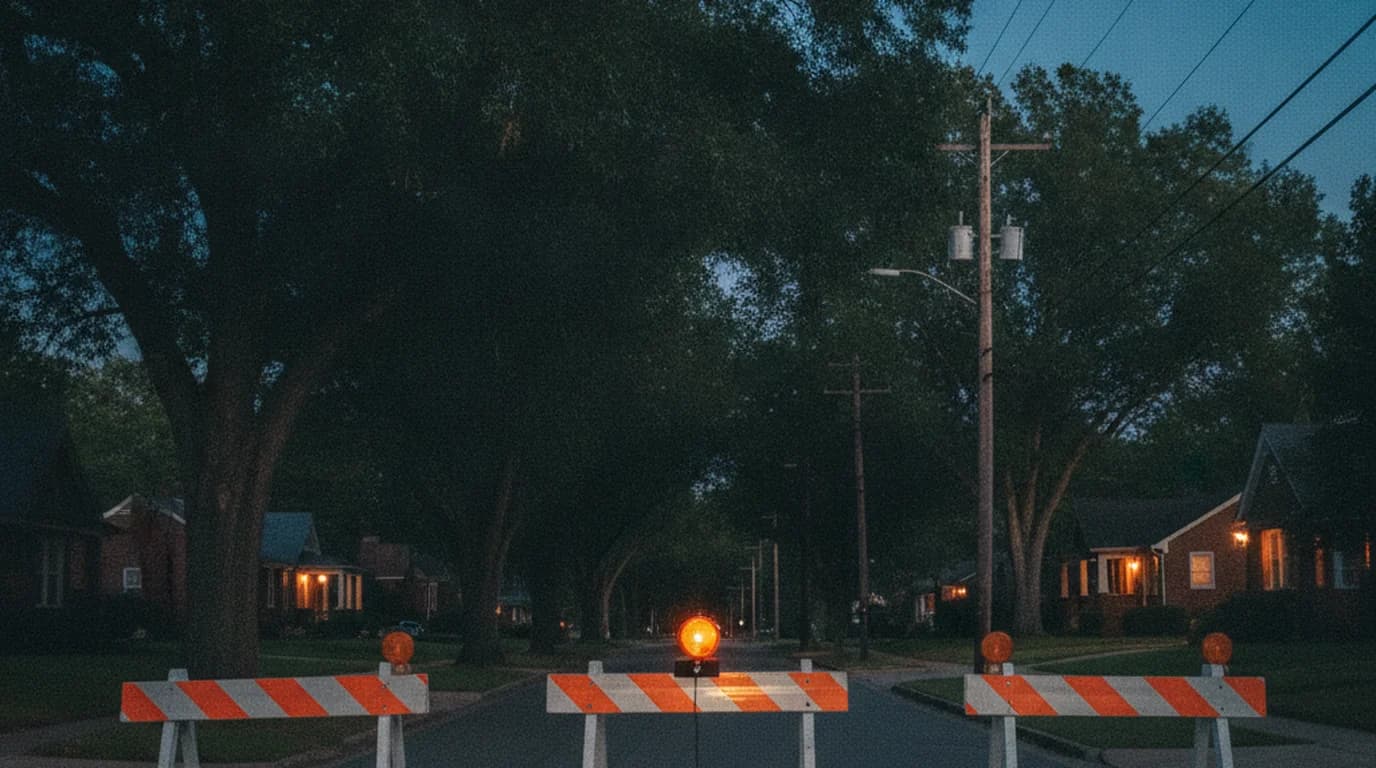
Barricades come out of your pocket. "The City does not provide barricades to block streets. Residents are required to provide their own barricades." Three Type 2 barricades minimum at each end, with flashing lights if your hours run past sunset. Private rental, no published price, so call a barricade company early.
Debris cleanup is billable. The street has to be clear within 12 hours of the scheduled reopening. If it is not, and CDOT calls it a traffic hazard, the city cleans it and bills the petition signers, personally, in a civil debt action.
Insurance is nobody's job but yours. The regulations mandate no coverage and no amount, then say: "Any insurance protection that is necessary during the closing of the street is the sole responsibility of the signers of the petition." The city accepts no liability, and signers indemnify it for attorney fees and court costs.
What the city itself charges is the one number nobody will give you. Charlotte publishes no fee for a block party and also never says it is free. The evidence for zero is decent: 14 regulations with no payment step in them, and no fee field on the petition. The sibling festival application states its fees loudly and up front, so the city plainly publishes a number when one exists. Make the call anyway before you tell your block it is free. 704-336-4119, or blockpartypermits@charlottenc.gov.
For scale, the other track runs $150 non-refundable for a festival application, $105 for a parade, run, or walk, $1,000,000 in commercial general liability, another $1,000,000 in liquor liability where alcohol is involved, and $75 per food vendor permit to the Mecklenburg County Health Department.
Three things that need a second permit
Alcohol. City Code Section 15-3 forbids drinking alcoholic beverages on city streets and right-of-way, and this permit does nothing to change that. Doing it legally means leaving this track for a Public Assembly application, a City Beer and Wine Permit, an NC ABC permit if you are selling, $1,000,000 in liquor liability naming "the City of Charlotte, its employees, officers and agents as an additional insured," and an alcohol control plan for CMPD. CDOT is blunt about who that works for: "Due to sizable insurance requirements most applications are for major events." On a street with thirty houses, the beer stays in the yard.
Vendors, and a hired DJ counts as one. Regulation 13 groups vendors with alcohol, naming food trucks and DJs specifically. Either one on the right-of-way sends you to the full Special Events application.
Amplified sound, on a filing window that runs backwards. Charlotte's noise ordinance, Section 15-64, is enforced by CMPD. Public Assembly and Parade permit holders are exempt from a separate sound permit, and a block party permit is neither, so amplified sound on a closed street needs its own CMPD noise permit. The right-of-way sound permit form cannot be submitted more than 7 days in advance, which inverts every other deadline here. File it early and it bounces. The amplified sound page has the rest.
None of that is as limiting as it sounds. A long table down the middle of the street with everybody cooking on their own property is what works here, and it is what a well-organized potluck is built for.
Twelve steps, in the order they bite
- Check eligibility. Residential and city-maintained, zero commercial properties inside the closure, off the thoroughfare plan.
- Read the Block Party Regulations. All 14 conditions are incorporated into what your neighbors sign.
- Pick a date at least 30 days out, a six-hour window between 8 a.m. and 9 p.m., and a rain date.
- Define the closure cross street to cross street, with no partial segments.
- Collect signatures from 51% of residents, address and signature for each.
- Apply through the Cityworks Portal and attach the completed petition.
- If the portal will not take the attachment, email the petition to blockpartypermits@charlottenc.gov within 3 days, or mail it to CDOT, Attn: Block Party Permits, 600 E. Fourth Street, 6th Floor, Charlotte, NC 28202.
- Wait on two agencies. CDOT reviews the location, then hands it to CMPD for secondary approval. A representative contacts you on approval and advises where to close the street and what equipment to use.
- Book barricades, three Type 2 minimum at each end, flashing lights past sunset.
- Notify every resident and property owner 48 hours ahead.
- Call Fire and MEDIC two to four hours before closing, then again before reopening.
- Clear the street within 12 hours.
The regulations also let the city revoke the closure on 24 hours' notice without stating a cause, and instantly in an emergency. Nobody I know has had it happen. It is in there anyway.
What Charlotte does not spell out
Three things I could not pin down, listed here rather than papered over. Whether the permit is truly free, covered above. What barricades rent for, which is a private market with nothing published. And grills and bounce houses, which the Block Party Regulations do not address at all. Fire Department cooking rules do exist, but they sit under food and alcohol sales and govern permitted vendors at special events. I found nothing extending them to a resident running a Weber in their own driveway.
Charlotte is one of thirty cities we walked through this way. The rest of them diverge more than they have any reason to.
The people you just met
You will have knocked on most of the doors on your street by then, and had a real conversation at half of them, which beats what most people manage in five years of living somewhere. Nobody knows what time to show up, though, or whether they were meant to bring a side.
And for the household that closed in March and never got around to a housewarming, this is the version where the whole street throws it for them instead.
You met half these people collecting signatures. Now give them somewhere to say yes. Tell Lemonvite what the afternoon is and it designs the invitation, which goes out by text to the numbers you gathered. For the doors that never opened, publish the event and print its QR code on a flyer: a scan lands them on the public RSVP page without anyone exchanging a number. Six hours goes fast, so use the same tool to message everyone attending once the food plan settles.