
Planning a Multicultural, Multi-Faith Celebration in Singapore
A few years ago I threw a housewarming for my new BTO and felt very pleased with myself. Char siew from the good stall, my mum's famous pork rib soup, two bottles of wine on the counter, a tin of pineapple tarts left over from CNY. Then I noticed my colleague Faiz spend the whole evening on cut fruit and a bowl of plain rice, because nothing else on the table was anything he could eat. My vegetarian aunt did roughly the same. I'd invited everyone and fed about half of them.
That's the trap of a multicultural, multi-faith celebration in Singapore: the guest list is the easy part. We live in the same block and queue at the same hawker centre. The hard part is making sure that when forty people from four different communities sit down at your place, all forty can actually eat and feel like the party was thrown for them too, instead of patched in around a default.
I've hosted enough of these now, well and badly, to have opinions. Here's how I'd plan one so nobody ends up eating fruit in the corner.
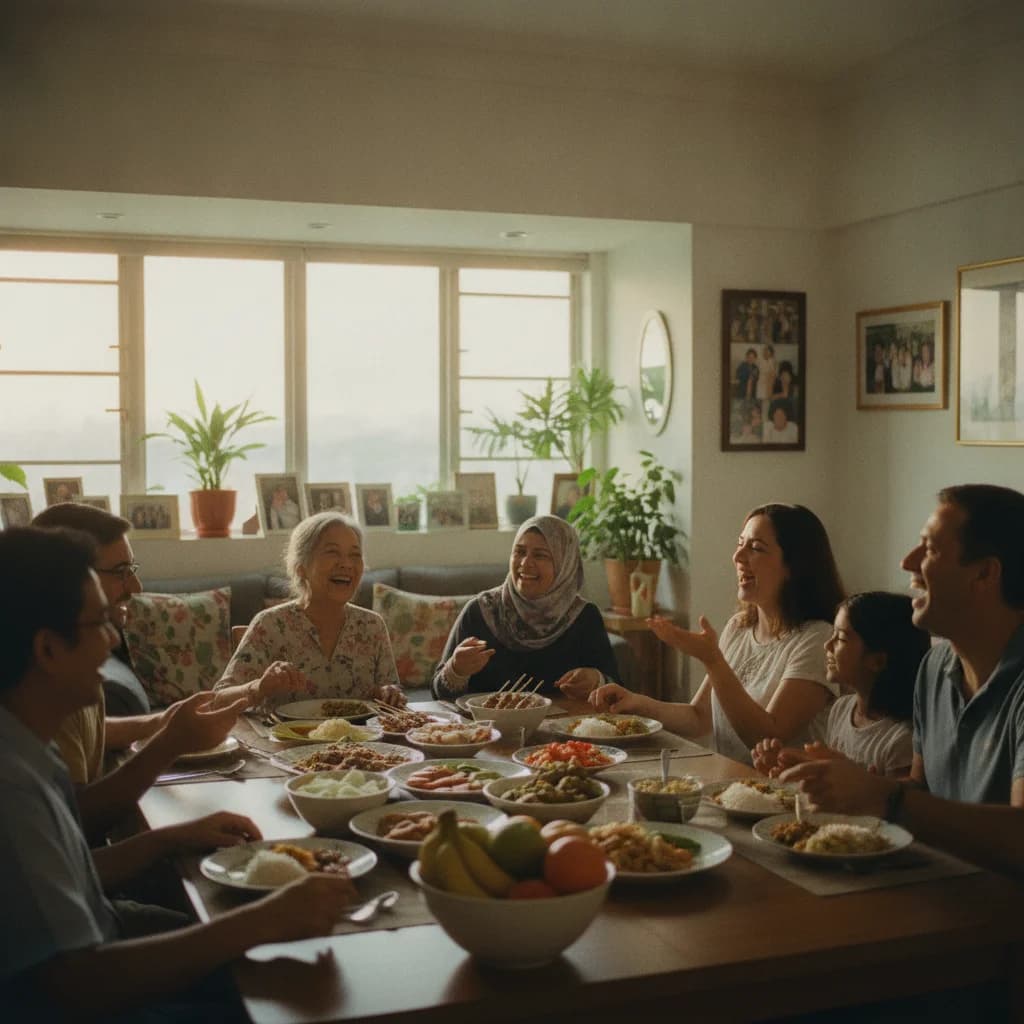
Get the food right first, because that's where inclusion is real
In Singapore the whole thing lives or dies at the buffet table, so start there. Two rules carry most of the weight, and they're simpler than they sound.
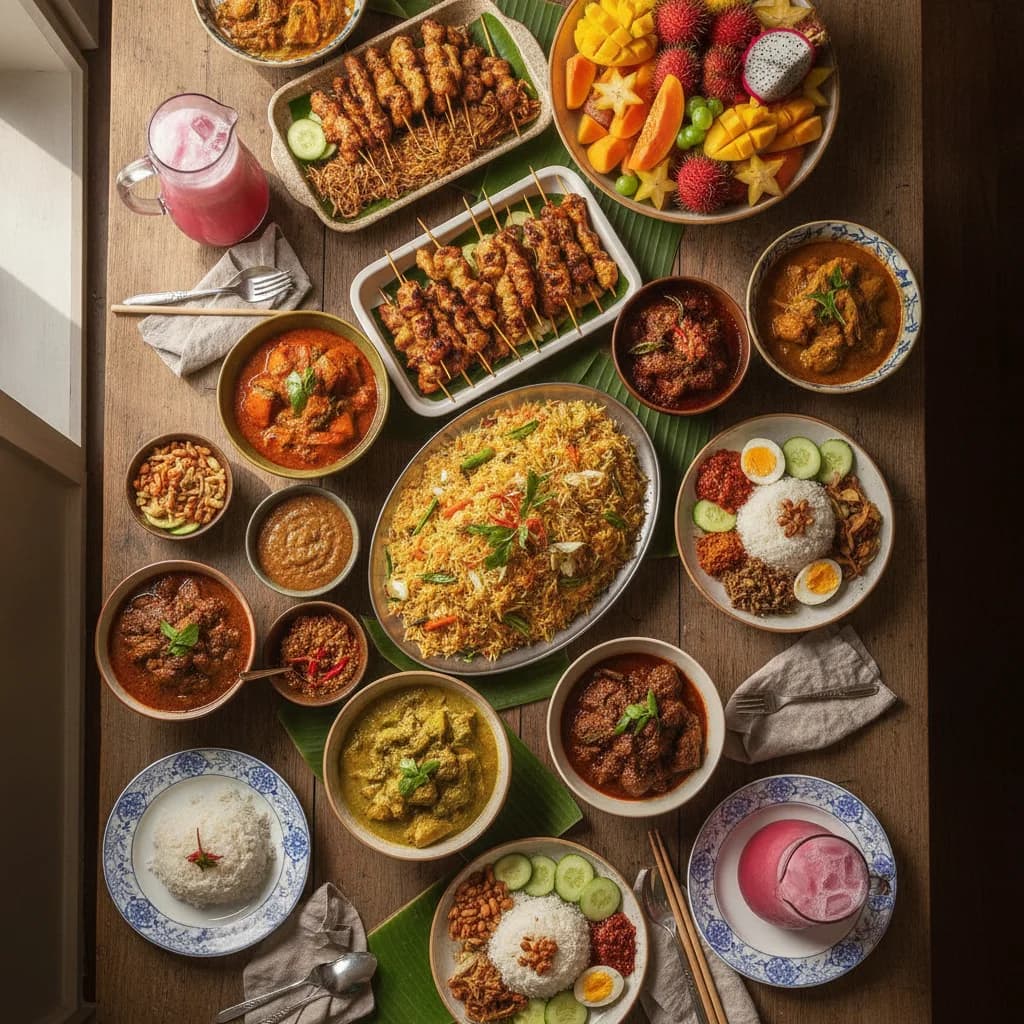
Skip pork and skip beef. Pork is out for your Muslim guests; beef is off the table for many Hindu guests and some Buddhist ones. Drop both and you've cleared the biggest hurdle in a single move. Chicken, fish and vegetables can carry an entire feast, and nobody has to interrogate a dish before they touch it.
Then make it properly halal-friendly. For Muslim friends, "no pork" is only the start. The meat should come from a halal-certified stall or caterer, and the serving spoon shouldn't have just been sitting in the bak kut teh. If you're putting out beer or wine, keep it on its own table at the far end rather than pouring it over the food. When full halal catering feels like a stretch, the gracious default is to make the main spread vegetarian or seafood and buy your satay and biryani from a halal stall. Done that way, Faiz eats like a king instead of picking at papaya.
And give the vegetarians a real main, not a lone salad parked next to the meat. A good dal, a vegetable biryani, a tray of nasi lemak with everything except the sambal ikan, a pot of someone's mum's sayur lodeh. Your Hindu, vegetarian-Buddhist and just-eating-less-meat friends will notice, and so will everyone else, because that food is genuinely good.
One more move I love: lean into the Eurasian table. A devil's curry and a sugee cake are crowd-pleasers that make the point this room has space for everyone, including the community people forget when they reel off "Chinese, Malay, Indian."
Look at the calendar before you lock a date
This is the cheapest win going, and the one people skip. Before you commit to a Saturday, spend two minutes with the year's calendar, because the date you pick can leave a chunk of your guest list at ease or stuck on the sidelines.
A few things worth checking. During the fasting month of Ramadan (roughly 18 February to 19 March in 2026), Muslim guests don't eat or drink in daylight, so a 1pm lunch is an awkward ask; shift the whole thing to the evening, after they've broken fast, and the room is happier for it. If you're throwing something big and auspicious, a housewarming or a milestone do, older Chinese relatives may steer clear of the seventh lunar month, the Hungry Ghost period, which falls around 13 August to 11 September in 2026 and is traditionally a time you don't move house or start something new. The big festival weekends cut both ways too. Everyone's in a celebrating mood over Hari Raya, Deepavali and Chinese New Year, but those are also the days people owe to their own families and may be out of town for.
You won't dodge every clash, and you don't need to. You just don't want to discover, the week before, that you've scheduled your party on the one day a third of your guests can't make.
Put the dietary question on the invite, not in your head
The fix is almost embarrassingly simple: ask, in writing, and ask early.
Trying to remember who's vegetarian, who's strict halal, and who just had a baby and is off raw food is how you end up guessing in the supermarket aisle. So I put one plain line in the invitation itself: "Let me know any dietary needs when you RSVP so there's plenty you can eat." Then I let the replies build the menu for me. If you want help phrasing that without it sounding like a customs declaration, my guide to writing an event description covers the wording.
If you're sharing the cooking, even better. A potluck across four cuisines is one of the great joys of hosting in Singapore, as long as you assign lanes so you don't get five plates of fried bee hoon and no greens. My potluck guide lays out how to split the dishes, and the same trick handles the halal question neatly: ask one or two people you trust to bring the halal-certified mains, and label them clearly when they land.
One invite, many ways to say yes
Singapore families are scattered. Half the cousins are in Melbourne or London, the aunties want a heads-up three weeks early, and a good number of your guests live entirely inside WhatsApp. A poster screenshotted into a group chat loses all of them.
So I send a proper invite instead. I describe the event to Lemonvite's design engine, something like "warm Singapore open house, batik and peranakan tiles, festive but not loud," and it designs a custom holiday party invitation in seconds, with no template hunting. It goes out by text, and for the relatives overseas the same invite reaches them on WhatsApp, so the cousin in London taps the link as easily as the neighbour two floors down. They RSVP in one tap and drop their dietary note in the same breath, and I get a live headcount instead of counting heads in a 60-message chat.
That headcount is the whole game once catering is involved, because a halal caterer wants a firm number to cook to, and "maybe 30ish" is not a number. A group chat never gives you a clean count anyway; the yeses scroll away and you end up guessing in the queue at the caterer.
Make the mixed room feel like one room
The food and the date get people in the door comfortable. A couple of small touches get them mingling instead of clustering by clique.
Drinks matter more than hosts think. Put the non-alcoholic options up front and make them good: a jug of bandung, iced kopi and teh, calamansi, a proper soft-drink selection. When the only interesting thing to drink has alcohol in it, your Muslim friends and anyone else not drinking get stuck nursing tap water, and that's a fast way to make someone feel like a guest at the edge of their own welcome.
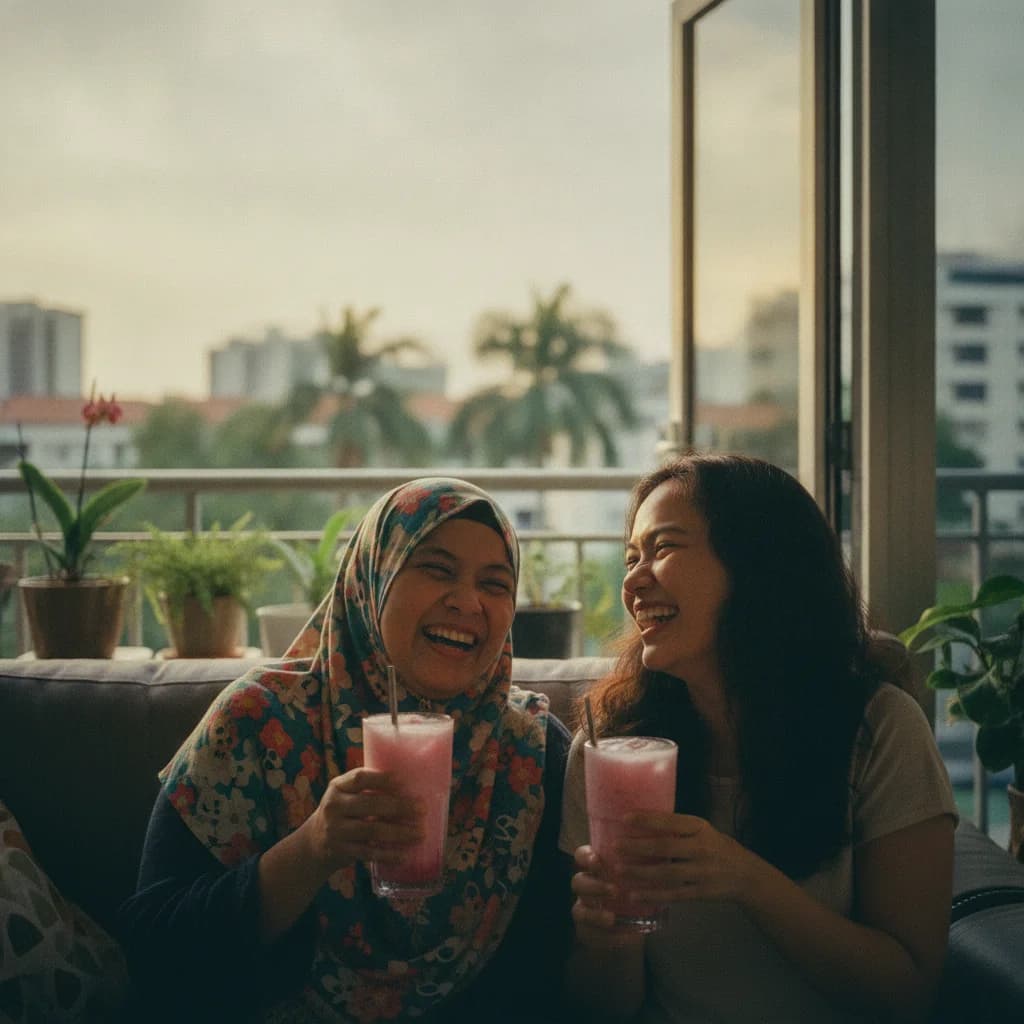
Give the night one shared thing to do, the way I do for any gathering. At a mixed party it pays off double, because a daft team quiz or a round of cards throws your secondary-school friends in with your colleagues and your neighbour's teenagers, and people leave having met someone they wouldn't have otherwise. My National Day gathering notes go deeper on the "one thing happening" idea. Small practical graces help as well: a clear spot for shoes by the door, and a quiet room someone can slip into for prayers if they need it.
None of this is hard. It's just hosting with the whole room in mind, rather than one default guest and a row of accommodations.
Throwing a multicultural celebration people remember
A multicultural celebration in Singapore is one of the best things you can host, precisely because the room isn't all one note. Get the food honest, pick a kind date, ask people what they need, and send an invite that reaches every corner of your scattered guest list. Do that and the mix stops being a logistics puzzle and goes back to being the point.
When you've settled on the date, you can build the invite on Lemonvite tonight and have it on everyone's phone, here and overseas, by tomorrow morning.