
Is Your Guest List Safe? The Truth About 'Free' Invitation Sites

You are planning a private event. Maybe it's a baby shower, a wedding rehearsal, or just a dinner with your closest friends. You have a list of names, phone numbers, and maybe even home addresses.
You wouldn't hand that list to a stranger on the street, and you wouldn't post it on a public bulletin board. Yet thousands of hosts upload exactly that to a free invitation website every day without reading the fine print.
We think your guest list is sacred. It belongs to you, and to you alone. So we built Lemonvite to handle it that way. Here's the uncomfortable truth about free invitation sites, and why privacy-first invitations are worth paying attention to.
How free invitation platforms actually make money
A free platform still has servers to pay for. Since they aren't charging you, they have to monetize something else, and that something is usually data.
When you RSVP to an event on a free platform, you aren't just saying "I'm coming." You're often feeding an advertising profile.
- Attending a baby shower? Expect ads for diapers and cribs to follow you around the web.
- Going to a wine tasting? Watch your Instagram feed fill up with alcohol delivery promos.
- Hosting a housewarming? Furniture ads are coming your way.
This is how these platforms build a picture of you and your guests from your social calendar. Your friends never agreed to be tracked. They just wanted to come to your party.
How Lemonvite handles your data differently
Our whole approach is built around a fact most platforms would rather not admit: we don't want your data. You pay a small fee to send invitations, and that fee keeps the lights on, so we never have to sell you out. We don't stop at the promise, though. Privacy is baked into the code.
No third-party trackers
Most websites are stuffed with pixels from Facebook, TikTok, and other ad networks that log every move you make. Lemonvite is pixel-free. We don't let third parties watch your event page, so your guests can RSVP without Big Tech reading over their shoulder.
Your data doesn't live forever
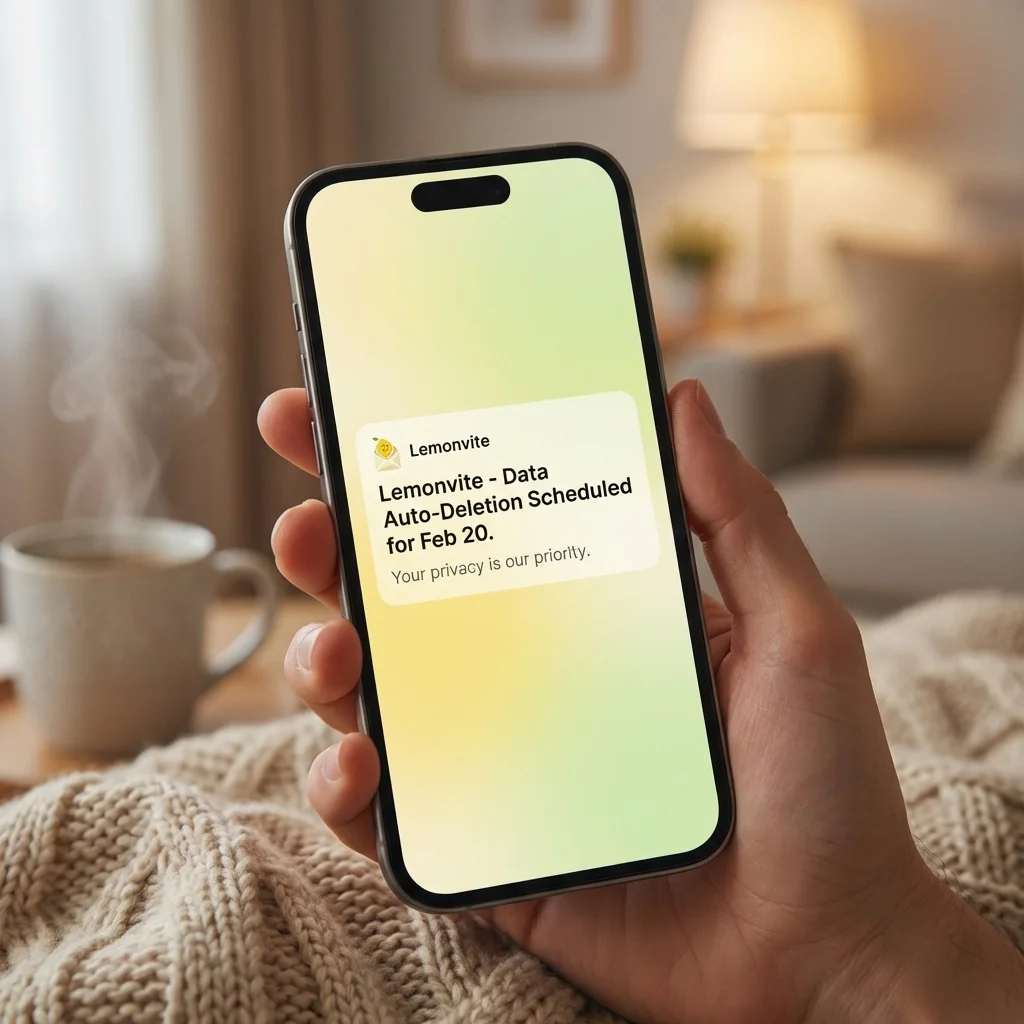
There's no reason for us to keep your guest list once your event is over, so we don't. Automated cleanup jobs permanently delete old event data after a set retention period of roughly 14 months. We're not hoarding it on the off chance it becomes valuable later.
Server-side security
Sensitive information is handled server-side instead of being exposed to the browser, where a malicious extension could scrape it. Your casual dinner party gets the same treatment we'd give a corporate meeting.
Why paying for an invite is a feature, not a bug
You might wonder: "Why pay for an invite when Evite is free?" Beyond the better custom design and the absence of ads, paying for an invitation does two useful things.
It stops spam. Spammers hate paying, so a small fee keeps bots and scammers off the platform. And it signals intent. When a Lemonvite invite lands in your inbox, you know the host cared enough to pay for a private, premium experience, which makes the whole event feel more considered. (I made the longer version of this argument in why paid invitations matter.)
You are the guardian of your guests' data
As a host, you're the one your guests trust with their phone numbers and their plans. Don't repay that trust by pouring their information into a data broker's pipeline. The same logic is why I tell hosts to stop using group chats for anything they actually care about, since those leak just as freely.
Pick a platform that respects boundaries. When you're ready, you can build your next event on Lemonvite and keep your guest list where it belongs: with you.