
Why Millennials and Gen Z Are Throwing More Parties Than Ever
The generations most stereotyped as "terminally online" are turning into the most enthusiastic hosts I have seen in years. Rather than retreating further into screens, millennials and Gen Z are throwing parties and organizing dinners at a rate that would make their parents proud. The millennial and Gen Z party trends I keep running into are loud, frequent, and refreshingly offline.
I have been watching this trend closely, and I think it is one of the most significant cultural shifts in social life over the past decade. Yes, it is about having fun. But underneath that, people are reclaiming something that quietly got lost along the way.

The Numbers Tell the Story
Millennial party trends are impossible to ignore. Searches for "how to host a dinner party" have surged. Potluck culture has made a massive comeback. Gen Z hosting content dominates social platforms, with everything from apartment pregames to themed cocktail nights racking up millions of views.
And this is not just internet performance. People are actually doing it. Event spending among 25-to-40-year-olds has been climbing steadily since 2023, and the growth is in self-organized gatherings rather than concerts or festivals, which were always popular anyway. House parties, intimate dinners, game nights, wine tastings, birthday celebrations that feel genuinely personal.
The social gatherings trend is real, and it has roots that go deeper than aesthetics.
What Is Actually Driving This?
1. The Post-Pandemic Recalibration
We went through a collective experience of forced isolation, and when it ended, a lot of us came back with a sharper awareness of how precious face-to-face connection actually is. That awareness did not fade. It calcified into a value system.
For millennials and Gen Z, hosting is now an intentional act of connection. People are choosing presence over passively scrolling past everyone else's plans.
2. The "Third Place" Collapse
Coffee shops are expensive and bars are loud, and a coworking lounge always feels like it has a meter running. The sociological concept of the "third place," a communal space that is neither home nor work, has been eroding for years. Rising rent, tip inflation, and the slow disappearance of casual hangout spots have pushed younger generations to build gathering spaces of their own.
Your apartment becomes the third place. Your backyard becomes the venue. And once you start hosting instead of just showing up, you stop attending social life and start building it.
3. A Rejection of Algorithmic Socializing
The generation that grew up with algorithmic feeds is now actively choosing to curate its social life offline. There is a conscious move away from passively consuming social content and toward actually creating social moments.
Hosting a gathering is the anti-algorithm. You pick the people and you set the vibe. Nobody is being served to you by a recommendation engine. Every person in the room is there because you made a deliberate choice.
4. The Identity of "Host"
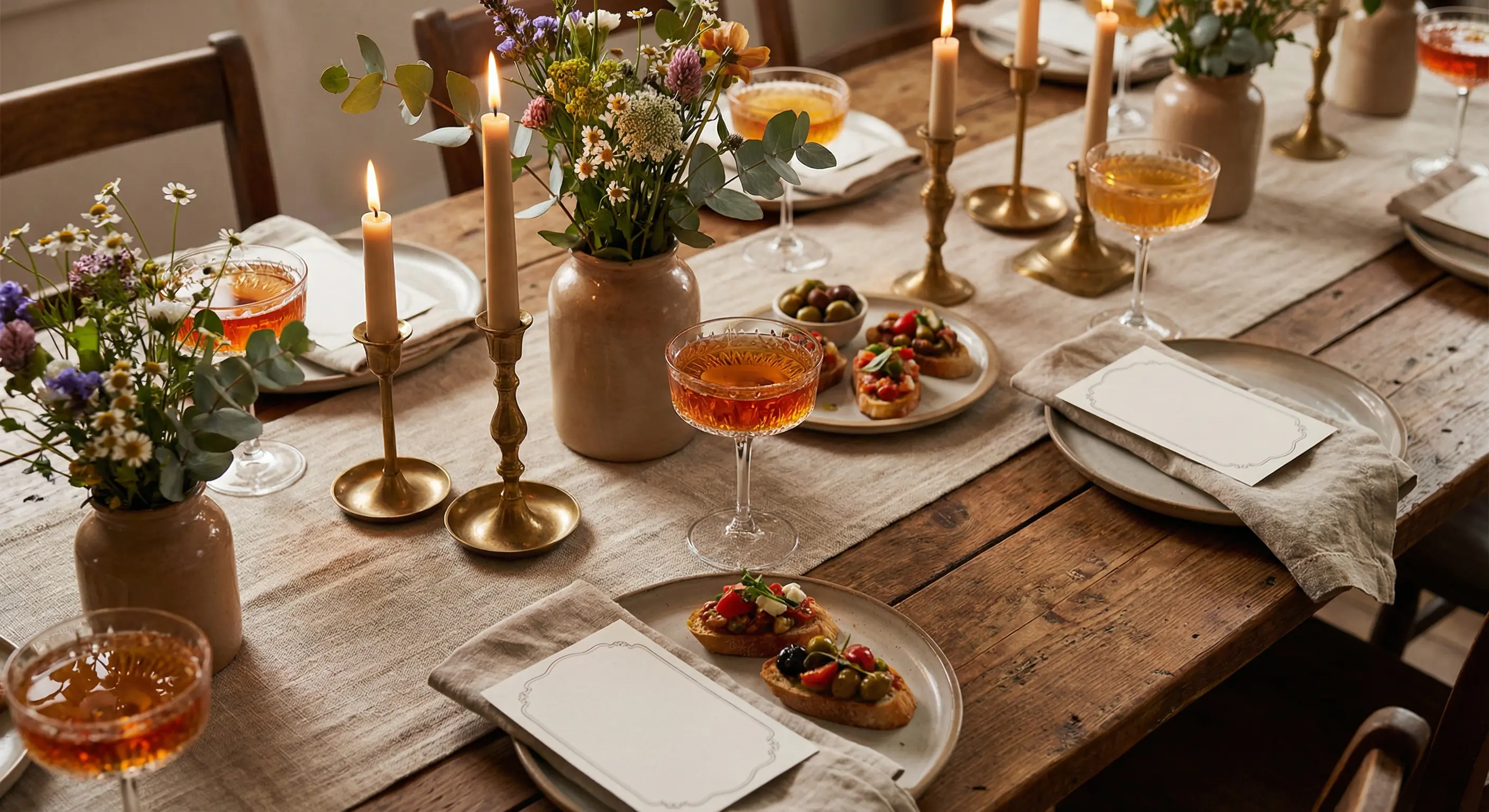
Being a good host has become a cultural currency among younger adults. It is aspirational in the same way that being a "foodie" or a "traveler" became identity markers in the 2010s. People take pride in their playlist curation, their cocktail menu, their table setup. The host role carries social capital, and millennials and Gen Z have embraced it fully.
How They Are Doing It Differently
Younger hosts are not planning parties the way their parents did. The modern sensibility shows up most in their tilt toward the micro-event over the blowout.
Smaller, More Intentional Guest Lists
The mega-party is out. The curated gathering of 8 to 20 people is in. Millennials and Gen Z understand that the best conversations happen when you are not competing with 80 other people for attention. They would rather host four intimate dinners a year than one blowout.
Themes Over Templates
Cookie-cutter invitations feel impersonal to a generation raised on customization. They want their gathering to have an identity, whether that is a Cozy Murder Mystery Night or a 90s R&B Brunch. The invitation sets the tone before anyone walks through the door, the same instinct behind the whole themed dinner party trend.
It is exactly why we built Lemonvite's design engine. You describe your vibe and get a one-of-a-kind invitation drawn for your event rather than pulled from a clip-art library. Your night gets its own visual identity instead of a "close enough" stock card.
Text Over Email, Always
Gen Z hosting culture runs on SMS. Email invitations feel like something from your dentist's office, while a text feels personal and meets people where they already are. (I made the full case in why SMS invitations work.)
Lemonvite sends invitations by text for that reason. No app, no account: your friend gets a text and taps once to RSVP, and the whole thing takes about five seconds. And if your guest list reaches past the US and Canada, those friends get the very same invitation over WhatsApp, so a crew scattered across continents still RSVPs in one tap.
Co-Hosting Is the Norm
The lone-wolf party planner is a relic. Younger hosts split the work: one person handles the invite list while another handles the playlist and food. (If you are still going solo, here is the case for why you should stop planning parties alone.)
That is why Lemonvite supports up to 10 co-hosts per event. Everyone can manage RSVPs and send broadcast messages in one place, instead of a group chat where nobody knows who confirmed what.
The Tools Have to Match the Energy
For years there was a real disconnect here. Younger hosts put genuine thought and effort into their gatherings, but the tools available to them felt stuck in 2010: generic templates, clunky RSVP flows, platforms that made guests create an account just to say "yes."
That friction kills momentum. If your invitation looks like it came from a corporate event platform, you have already undermined the vibe before anyone shows up.
Lemonvite was built for exactly this moment. The whole experience is meant to feel personal and fast:
- A design engine that draws original, non-template artwork for every event
- Delivery by text, so the invite lands right in your guests' messages
- One-tap RSVP with no account and no login wall in the way
- Broadcast messaging to send an update to your whole guest list at once
- Co-host support for up to 10 people, because good parties are a team effort
All of it for $5 per event. No subscription. Events with larger phone guest lists may need additional credits to cover texting costs.
This Trend Is Not Slowing Down
The social gatherings trend among millennials and Gen Z is still accelerating. Every month I see more people discover that hosting is one of the most rewarding things you can do for your social life. It deepens friendships, gives you the stories you actually remember, and builds a community no app can replicate.
If you have been thinking about hosting more, you are in good company. And if the logistics have been holding you back, that part is genuinely easy now.
Describe your event, get a custom invitation back, and send it by text. Then watch the RSVPs roll in.