
What to Do When You Invite Too Many People to Your Party
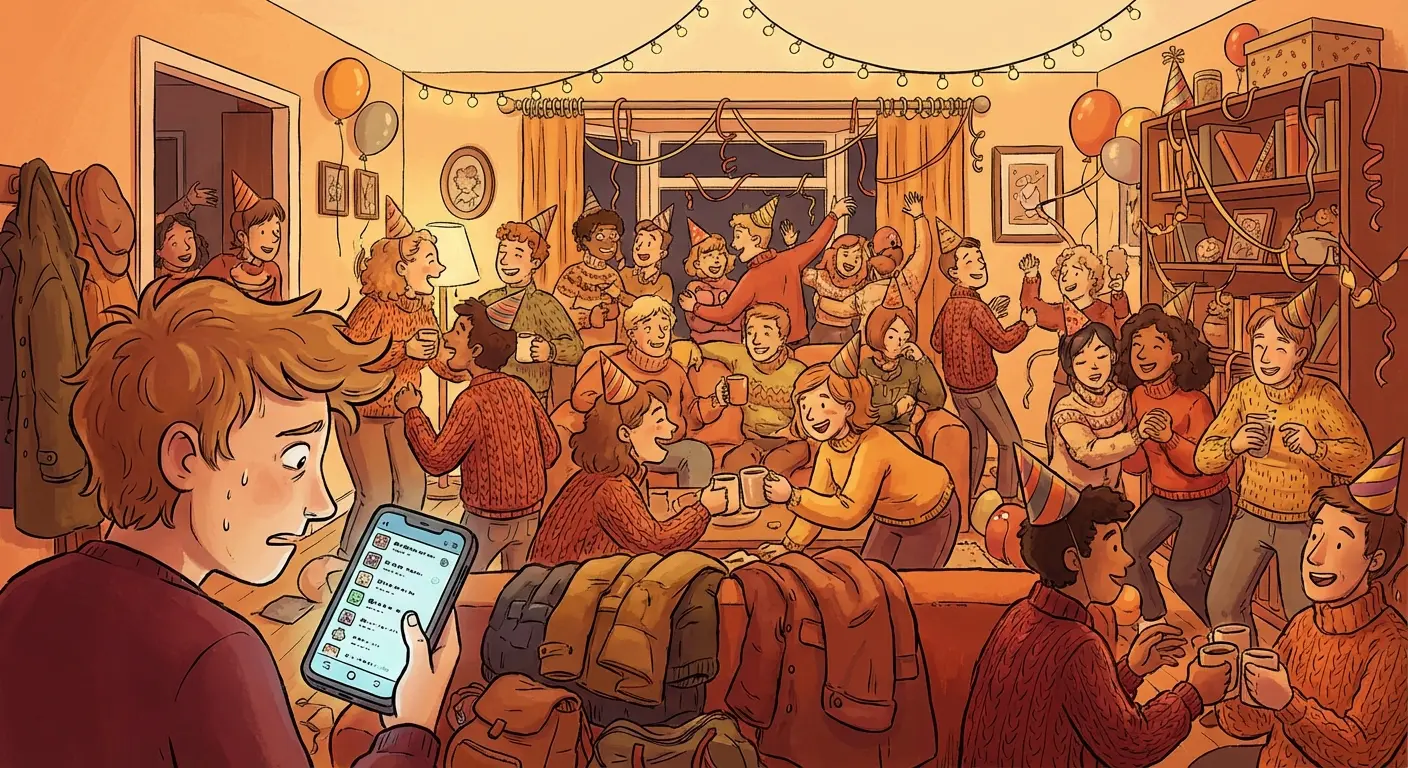
I know the exact moment it happens. You are scrolling through your phone, adding names to the guest list, and a thought creeps in: "Oh, I should invite them too. And them. And definitely them, because they invited me to that thing last month."
Before you know it, you have invited too many people. Way too many. Your cozy backyard dinner for 20 has ballooned into a 55-person block party, and every notification that says "Yes, I'm coming!" fills you with equal parts joy and terror.
If this is you right now, take a breath. You are not the first person to over-invite, and you will not be the last. A party that is too crowded with people who actually want to be there beats an empty room every time. And there are practical ways to handle this without canceling, uninviting anyone, or having a meltdown.
Here is exactly what to do.
Step 1: Get an Accurate Headcount Right Now
Panic thrives on uncertainty. The first thing you need is a real number rather than a guess based on vibes and group-chat energy.
If you are using Lemonvite, open your RSVP tracking dashboard. You can see at a glance who has confirmed and who declined, and crucially, who has gone silent. That silent group matters most, because a good chunk of them will never come. The no-show rate for casual parties tends to land somewhere around 20 to 30 percent, even among people who said yes.
So before you spiral, look at the actual data. Your "55-person nightmare" might really be 38 confirmed guests with a realistic turnout closer to 30. That is a lot more manageable than the number in your head.
Step 2: Shift the Format, Not the Guest List
Uninviting people is almost never the right move. It burns bridges and makes you look disorganized. (If you genuinely have to cut someone, do it the careful way.) The better play is to change the shape of the party so it can absorb the crowd.
A few format shifts that swallow extra guests gracefully:
- Move it outdoors. A park, a backyard, a rooftop. Open-air spaces feel less packed even with more bodies in them, and you stop worrying about your couch getting destroyed.
- A seated dinner for 40 is a logistical nightmare, so switch to a cocktail-style gathering instead. Push the furniture to the walls and set out a couple of food stations so people mingle on their feet.
- Extend the window. Instead of a hard "7 PM to 10 PM," make it "6 PM to 11 PM" and tell people to drop by whenever suits them. Staggered arrivals mean you will never have all 50 guests in the room at once.
- Build in overflow zones. Seating on a porch or balcony gives the crowd somewhere to spill into, and separate zones create separate pockets of conversation.
The goal is a space that feels intentional instead of cramped. A party that is too crowded because the layout is bad is genuinely uncomfortable, but a party that is full because it is popular is a compliment. Lean into it.
Step 3: Recruit Help Immediately
You cannot manage a large crowd alone, and trying to is not a character flaw, it is physics. No single person can greet guests at the door, keep the drinks flowing, and keep half an eye on the music while also, somehow, enjoying their own party.
On Lemonvite, you can add up to 10 co-hosts to your event. Each one gets full access to the dashboard and the guest list, plus the ability to send updates. Tap your most reliable friends and give them specific jobs:
- One person runs the drink station.
- One person plays greeter and knows where to point new arrivals.
- One person keeps an eye on the food and coordinates refills before anything runs dry.
That division of labor is the whole difference between a host hiding in the kitchen and one who is actually out talking to friends. Splitting the load is also the best antidote to host anxiety there is.

Step 4: Use Broadcast Messaging to Set Expectations
When the guest count balloons past what you planned, communication becomes your most useful tool. You really do not want 50 people arriving expecting a quiet dinner, so get ahead of it before the day arrives.
Send a broadcast message through Lemonvite to update everyone at once. You can reframe the event without making it weird:
"Hey everyone! We are so excited for Saturday. Heads up: this is going to be a bigger crew than we planned (you all have great taste in friends). We are setting up inside and outside, so dress for the weather. Also, street parking fills up fast, so consider rideshare or carpooling!"
A note like that manages expectations and hands out the practical info people need, while quietly signaling that you have things under control. Nobody needs to know you were panicking an hour ago. And if your crowd spans borders, that broadcast still reaches everyone: US and Canada numbers get it by text, while guests anywhere else receive it over WhatsApp.
Step 5: Coordinate Food and Drinks with "What to Bring"
Feeding 20 people is a grocery run. Feeding 50 is a project. You do not have to shoulder it alone, though, and the math on per-guest quantities gets easier when you plan how much food and drink you actually need.
Lemonvite has a "What to Bring" section where you list exactly what the party needs and let guests claim items. Asking is not tacky, it is smart. Most people genuinely want to contribute to a party they are excited about. They just need to know what would actually help.
Structure it something like this:
- You provide: the main dish or protein, plates, cups, and the basics.
- Guests bring: side dishes, desserts, drinks, ice, snacks.
When 15 people each bring one thing, you end up with an absurdly good spread, and nobody had to bankrupt themselves doing it.
Step 6: Accept That "Too Many People" Is a Win
I want to reframe something for you. Having invited too many people is not a planning failure. It is evidence that people want to spend time with you, which is genuinely rare and worth appreciating.
Some of the best parties I have ever been to were the ones where the host clearly underestimated turnout. There was an energy in the room, a sense that something was happening. People were meeting strangers who became friends by midnight, and conversations spilled out onto the sidewalk. It felt alive.
The worst parties were the opposite: the host so fixated on controlling every detail that the whole thing came out sterile. Give yourself permission to let the evening run a little messy and a little loud. That overstuffed, slightly chaotic energy is what people will actually remember.
The Real Mistake Is Not Inviting at All
The fear of over-inviting stops a lot of people from hosting in the first place. They do not want to deal with the logistics or the headcount anxiety, or they dread the chance that something goes sideways. So they just never throw the party.
That is the real loss. A crowded living room is not the disaster; the gathering that never happened because someone was too scared to send the invite is the thing worth mourning. And the fix for the wobbles you can predict is a plan, which is why it helps to know how to handle cancellations before they happen.
So send the invite. Send all of them. And when the RSVPs start rolling in faster than you expected, use the tools that exist to manage the beautiful chaos you have created.
Lemonvite gives you a real-time RSVP dashboard, broadcast messaging, up to 10 co-hosts, and a "What to Bring" section to keep the spread organized. All of it is $5 per event. Events with larger phone guest lists may need additional credits to cover texting costs. When you are ready, start your event and wrangle that guest list.