
How to Uninvite Someone Without Ruining the Friendship
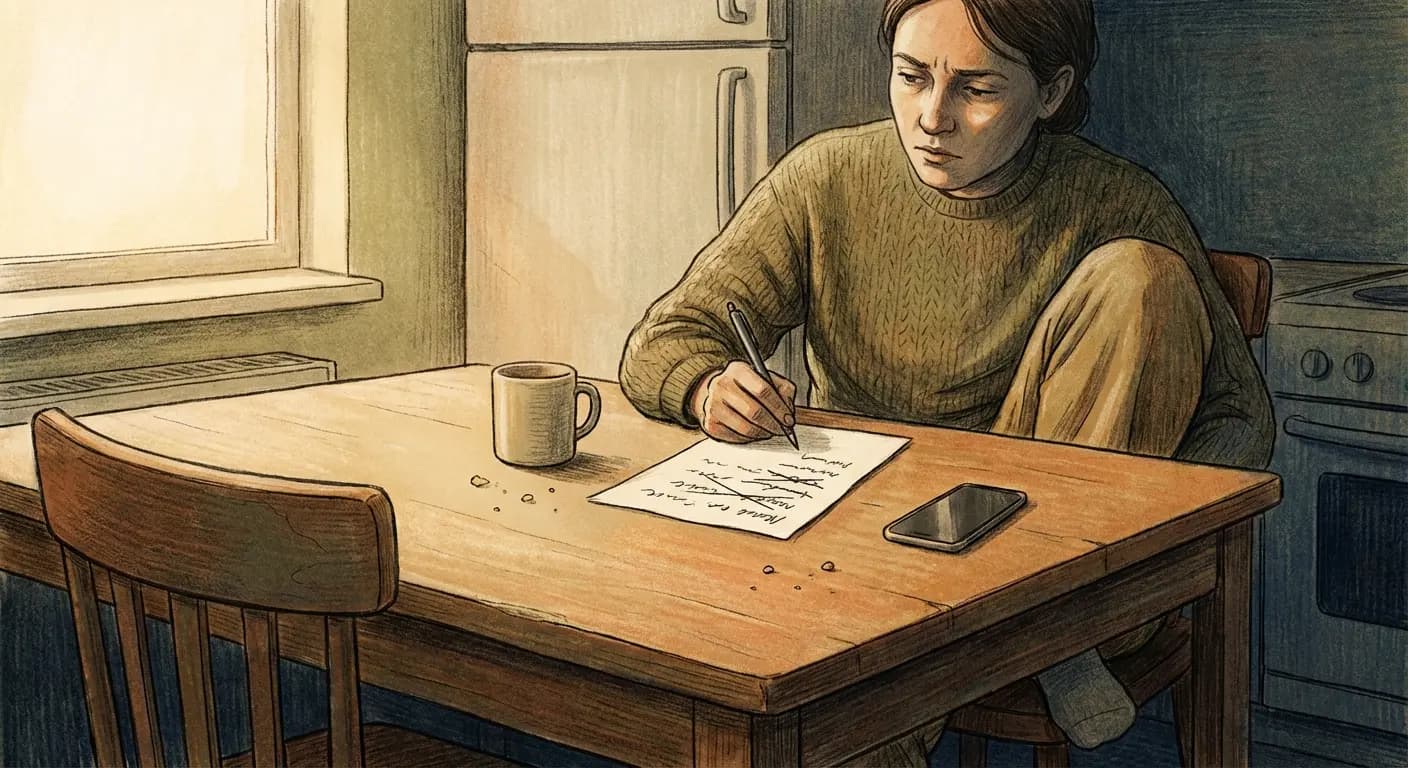
I'm going to be honest: uninviting a guest is one of the most uncomfortable things you can do as a host. It feels mean. It feels personal. And if you've ever been on the receiving end of it, you know it stings.
But sometimes, uninviting someone is the right call. Maybe the venue capacity shrank. Maybe budget constraints forced you to cut the list. Maybe a family conflict surfaced and having certain people in the same room would turn your birthday dinner into a reality show. Whatever the reason, it happens, and pretending it doesn't won't help anyone.
What I want to give you here is a practical framework for how to uninvite someone with as much grace and honesty as the situation allows. Because the goal isn't just to remove a name from a list. The goal is to preserve the relationship while still protecting your event.
First, Be Honest With Yourself About Why
Before you pick up the phone or draft that message, spend five minutes getting clear on the real reason. This matters because the reason shapes the conversation entirely.
Logistical reasons are the easiest to explain. The venue changed and now holds fewer people. Budget cuts mean a smaller guest list. The event is shifting from a big party to an intimate dinner. These reasons are clean. They're not personal. And most reasonable people will understand them.
Interpersonal reasons are harder. Maybe this person doesn't get along with someone else on the guest list. Maybe a recent falling out makes their presence uncomfortable. Maybe you invited them out of obligation and regret it.
Whatever the reason is, own it internally before you have the conversation. You don't need to share every detail with the person you're uninviting. But if you're unclear about your own motives, the conversation will feel evasive and dishonest, and they'll sense it.
Have the Conversation Directly
This is the part everyone wants to skip. I get it. The temptation to send a vague text or just "hope they forget" is real. But indirect approaches almost always backfire.
Here's what not to do:
- Don't ghost them. If someone thinks they're invited and then shows up or asks for details only to find out they're not welcome, that's worse than any awkward conversation.
- Don't ask a mutual friend to do it. It makes you look like you can't handle your own event, and it puts your friend in a terrible position.
- Don't lie. Saying "the event is cancelled" when it isn't will come back to haunt you the moment they see photos on social media.
Instead, reach out directly. A phone call is ideal for close friends or family. A private message works for more casual connections. The key is that it's one-on-one, private, and timely.

What to Actually Say
The best approach is brief, kind, and honest. You don't need to over-explain or apologize for five paragraphs. Here's a framework that works:
Acknowledge the original invitation. "I know I invited you to the dinner on the 15th, and I feel terrible about this."
Give the reason (briefly). "We've had to significantly cut the guest list because of the venue change, and I'm not able to include everyone I originally planned on."
Express that it's not personal. "This isn't about you at all. I just got overambitious with the guest list and the reality of the space caught up with me."
Offer a genuine alternative. "I'd really love to catch up with you separately. Can we grab coffee that week instead?"
That last piece matters more than people realize. Offering a concrete alternative signals that you actually value the relationship and aren't just trying to get rid of them.
For more delicate interpersonal situations, you might keep the reason vaguer: "The event has changed a lot from what I originally planned, and I need to restructure the guest list. I'm sorry about the shift." You don't owe anyone a detailed explanation of every social dynamic at play.
Timing Is Everything
The sooner you uninvite someone, the less painful it is. If you realize on Monday that you need to cut three people, don't wait until Friday afternoon hoping the problem will magically resolve itself. Early is always better.
Here's a rough guide:
- More than two weeks out: You have plenty of room. Most people will barely remember the original invitation. A simple message works fine.
- One to two weeks out: Still manageable, but act quickly. The person may have already made plans around your event.
- Less than a week out: This is where it gets genuinely difficult. They may have bought an outfit, arranged a babysitter, or turned down other plans. You need to be extra considerate here, and ideally offer something concrete to soften the blow.
- Day-of: Unless there's a serious safety concern or an extreme circumstance, try very hard not to uninvite someone the day of the event. If you absolutely must, a phone call is the only acceptable option.
Prevent the Situation Before It Starts
The best way to uninvite someone is to never need to in the first place. That sounds obvious, but a lot of uninviting happens because hosts get impulsive with their guest lists early on.
A few habits that help:
Don't send invitations until the guest list is final. I know the excitement of planning can make you want to blast out invites the second you book a venue. Resist the urge. Sit with your list for a day or two. Sleep on it. Make sure every name on there is someone you genuinely want to see at this specific event.
The same get-it-in-writing-early instinct applies to other awkward lines on an invitation. If you're trying to get guests to actually believe no gifts, please, clarity up front saves you the same kind of walk-back conversation.
Build your event with a private guest list from the start. One of the things I appreciate about how Lemonvite handles invitations is that every event page is invitation-only. There's no public event page for people to stumble onto or share around. Only the people you invite can see and access the event. That built-in privacy eliminates the "wait, how did they find out about this?" problem that causes so much uninviting drama.
Use RSVP tracking to stay in control. When you can see exactly who has responded and who hasn't, you make better decisions about your guest list size. If you notice your numbers are already high before half the list has responded, you can pause before sending more invitations rather than over-inviting and scrambling to cut people later.
What If They React Badly?
Sometimes, even when you handle everything perfectly, the other person is going to be hurt. That's okay. You can't control their reaction. You can only control your delivery.
If they're upset, give them space to feel that way. Don't get defensive. Don't start listing all the reasons they should understand. A simple "I completely understand why you're upset, and I'm sorry" goes a lot further than a five-minute justification.
If they lash out or say something hurtful, resist the urge to escalate. Remember that rejection stings, even when it's about a party and not about them as a person. Give it time. Most people come around once the initial sting wears off.
And if the friendship can't survive you adjusting a guest list? That tells you something important about the friendship itself.
Moving Forward
Uninviting a guest is never fun. There's no script that makes it painless. But the hosts who handle these situations well share a few traits: they're honest, they're timely, they take responsibility, and they offer something in return.
If you're in the middle of planning an event and feeling the guest list pressure, give yourself permission to keep things small and intentional. You don't owe anyone an invitation. Your event exists for you and the people you're celebrating with.
When you're ready to build your guest list the right way, with private event pages, real-time RSVP tracking, and broadcast messaging for just $5 per event, create your event on Lemonvite. A little structure upfront saves a lot of awkward conversations later. Larger phone guest lists may need additional credits to cover texting costs.