
How to Plan a Wine Tasting Party at Home
I have a confession. I used to think wine tasting parties were pretentious.
The swirling. The sniffing. The guy who insists he can detect "notes of wet gravel and pencil shavings." It all felt like a performance to me. Then a friend hosted one in her apartment with six bottles and a cheese board, nobody was graded on anything, and I completely changed my mind.
A wine tasting at home is one of the best parties you can throw. It is intimate without being precious. It gives people something to do with their hands besides making small talk near the chip bowl. And it works just as well with six guests as it does with twenty.
The hard part is the setup. You do not need to be a sommelier; you need a plan, and you need your guests to show up with the right bottles.
Here is mine.
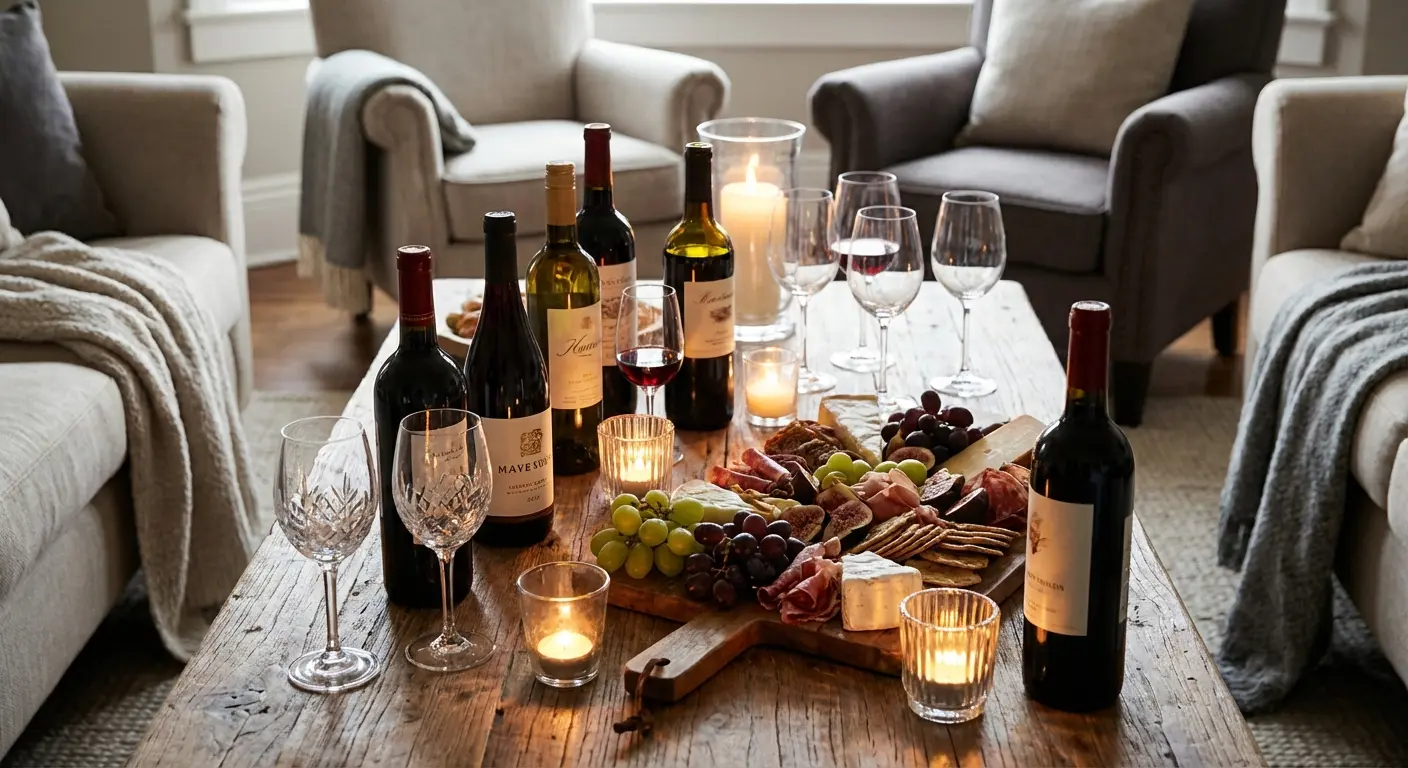
Pick a Theme (Yes, Really)
A "bring whatever you want" wine tasting is a recipe for chaos. You will end up with three bottles of the same Trader Joe's Pinot Grigio and a random bottle of sake someone grabbed at the airport.
Give your guests a lane. A few themes that consistently work:
- Old World versus New World. French wines against California or Australian ones. It is the classic debate and it never gets old.
- One grape, many regions. All Pinot Noir, but sourced from places as different as Burgundy and Oregon. The differences between two bottles of the same grape will surprise people.
- The under-$15 challenge. Everyone brings the best cheap bottle they can find, and the winner gets bragging rights for life.
- Blind tasting. Cover the labels with foil, rate each wine, reveal at the end. This one gets competitive fast.
The theme does double duty. It makes shopping easier for guests, and it gives the whole evening a throughline so the party does not just dissolve into another round of drinks.
Set Up the "What to Bring" Section
This is where most hosts fumble. They tell guests to "bring a bottle" in a group text, then spend the rest of the week wondering what is actually going to show up.
I handle it differently. When I create the event on Lemonvite, I use the "What to bring" section to spell out exactly what I need. It reads something like this:
"We are doing a blind tasting of red wines under $20. Please bring one bottle that fits the theme, and remove or cover the label before you arrive. I will provide the glassware, tasting mats, water, and snacks."
Guests see this the moment they open the invitation. There is no confusion and no back-and-forth texting, and nobody shows up empty-handed or with the wrong thing.
Because Lemonvite lets guests add RSVP notes, they can also tell you what they are bringing, so you get a preview of the lineup before the party even starts:
- Alicia is attending with a guest and bringing a Malbec from Mendoza.
- James is attending solo. His note: "Got a great Côtes du Rhône, label is already covered."
- Priya is attending with a guest, bringing a Spanish Tempranillo. She also wants to know if she can bring a manchego.
That last one? Absolutely, Priya. You are the ideal guest.
Design an Invitation That Sets the Mood
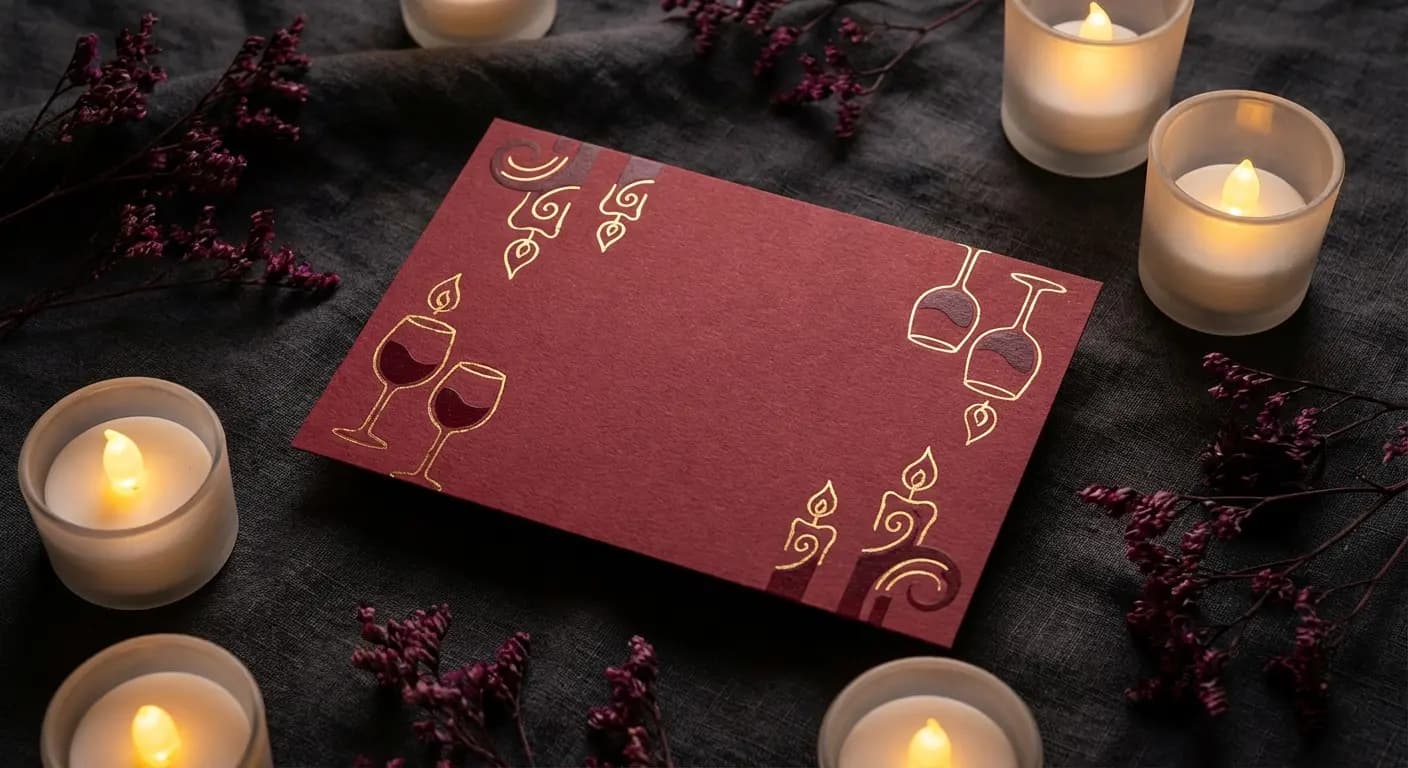
A wine tasting is a vibe. It is candles and jazz and deep reds against gold. Your invitation should match that before anyone reads a single detail.
I use Lemonvite's design engine for this. You describe what you want and it builds a completely custom invitation from scratch. There are no templates and no grid of 50 generic options that look like everyone else's party.
For my last wine tasting, my prompt was roughly: "Elegant wine tasting evening, deep burgundy and gold tones, wine glasses with candlelight, sophisticated but warm." The result looked like it belonged on the wall of a wine bar in the Marais. It set the tone before anyone even opened the details.
If you have a photo of your actual dining setup or a favorite wine label, upload it as a reference image and the design engine will fold that aesthetic in. The invitation ends up feeling like yours instead of clipart someone recycled.
The Guest List Sweet Spot
Wine tastings work best with 6 to 12 people. Fewer than six and the conversation stalls. More than twelve and it turns into a regular house party where the tasting gets abandoned after the second pour.
For a group this size, have each person bring one bottle. That gives you a solid flight without anyone drinking too much of any single wine before the night really gets going.
I send invitations via SMS through Lemonvite because the open rate is unbeatable. Texts get read; emails get buried under everything else in the inbox. Guests can RSVP straight from the link with no app to download and no account to create, so answers come back fast. And if your wine-loving friends are scattered across the globe, that is no longer a problem: anyone outside the US and Canada gets the very same invitation delivered over WhatsApp instead.
The three-way RSVP earns its keep here. Guests can mark Attending, Maybe, or Declined, and the "Maybe" option is the one that matters. It lets people be honest instead of ghosting you. I would much rather know someone is on the fence than assume they are coming and run out of clean glasses. (If you are unsure how strict to be about RSVPs, the plus-one etiquette guide is worth a read.)
Day-of Logistics
A handful of details separate a smooth tasting from a frazzled one.
For glassware, plan on one glass per person per wine. Yes, that is a lot of glasses. If you do not own enough, grab a set of cheap stemless ones. Nobody is judging your crystal at a house party.
Pour in order from light to heavy. Whites come before reds and dry before sweet, with the lighter, younger bottles up front so palates do not get overwhelmed early.
Set out palate cleansers before the fancy cheese board comes anywhere near the table. Water and plain bread or crackers do the job. You want people actually tasting the wine instead of masking it with triple-cream brie.
For scorecards, print simple cards or just have everyone use the notes app on their phone. All you really need is the name of the wine (or its number, if you are tasting blind) next to a 1-to-5 rating, plus a little room for notes. Keep it casual.
Save the elaborate cheese board for after the tasting rounds are done. Once the scoring is over, bring out the charcuterie, the good cheese, the fig jam, the whole production. It is the reward for paying attention.
Use Broadcast Updates to Run the Show
Two days before the event, I send a broadcast update through Lemonvite to everyone who RSVPed "Attending." A quick reminder with the logistics:
"Friday is almost here. Quick reminders: please have your bottle's label covered when you arrive, tasting starts at 7:30 sharp, and dress code is cozy. See you soon."
You can target broadcasts by RSVP status, so you are not pinging people who already declined. Clean and respectful. And if someone backs out last-minute, you see it in your dashboard and adjust without firing off a panicked group text.
After the Last Pour
The best wine tasting parties do not end when the bottles are empty. They roll into the kind of evening where people are sprawled on the couch, debating whether the $12 Argentine Malbec really was better than the $45 Napa Cab.
Spoiler: it usually is. Price means almost nothing once the label is covered.
Take a photo of the winning bottle and post it in the group chat link on your event page so everyone can find it later. People will want to buy it for themselves, and just like that you have started a tradition. For more ways to keep a small gathering humming, the dinner party ideas translate surprisingly well.
Why This Works
A wine tasting party succeeds because it gives structure to socializing. People always have something to talk about and something to do with their hands, and every pour comes with a built-in icebreaker.
What trips most hosts up is the logistics. When one tool handles the invitation, the RSVP tracking, the "what to bring" coordination, and the day-of messaging, you get to focus on the parts that actually matter, like picking the playlist and making sure there is enough cheese.
Ready to host your own? Create your wine tasting invitation on Lemonvite and have it out the door in a few minutes. At $5 per event, it costs less than a single bottle of the wine you will be tasting.
Cheers.