
How to Plan a Rehearsal Dinner: A Modern Guide
The rehearsal dinner is the one event in the wedding weekend that actually belongs to you.
The ceremony has its traditions and the reception has its obligations. But the rehearsal dinner is your night. It is the moment where you finally sit across from the people who matter most and think, "We are really doing this."
And yet most couples treat it like an afterthought. They send a mass text two weeks out, forget to ask about dietary restrictions, then spend the night before their wedding chasing down RSVPs instead of enjoying the evening.
You deserve better than that. Here is how to plan a rehearsal dinner that feels intentional and organized without sucking the fun out of it.
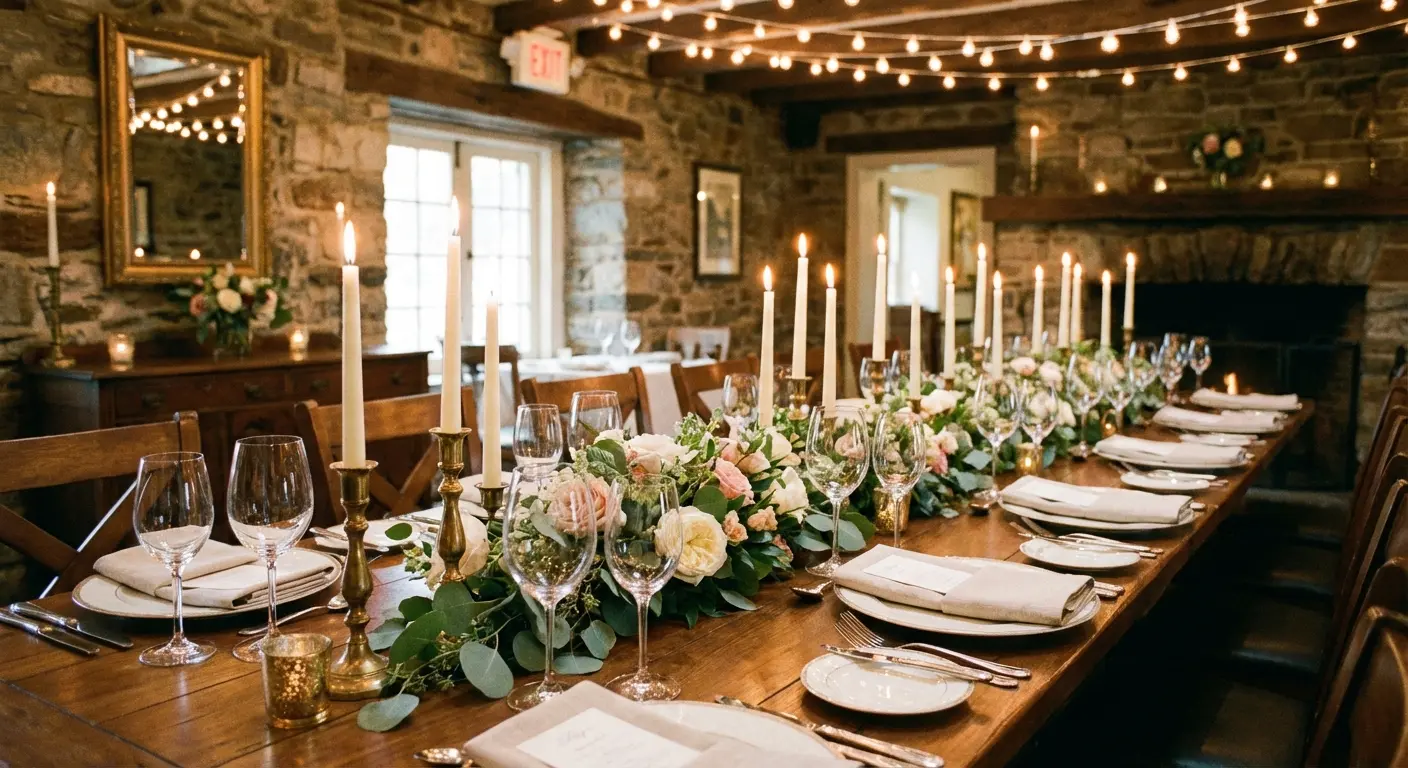
Start with the Guest List (It Is Smaller Than You Think)
The rehearsal dinner guest list is not the wedding guest list. This is important to internalize early, because it changes everything about how you plan.
Traditionally the rehearsal dinner includes the wedding party plus immediate family and their partners. If you have out-of-town guests who traveled specifically for the wedding, it is a kind gesture to include them too. But you are not obligated to invite everyone.
A focused guest list of 20 to 40 people gives you options that a 150-person event never could. You can book that restaurant you love instead of renting a banquet hall. Or do a backyard barbecue, a wine tasting, a pizza night, even a private cooking class.
The smaller scale is the whole point. Lean into it.
Pick a Venue That Matches the Vibe, Not the Wedding
One of the best rehearsal dinner ideas I have seen is to go in the opposite direction of the wedding. If the ceremony is formal and traditional, make the rehearsal dinner casual and relaxed. If the wedding is outdoors, book a cozy private dining room.
The contrast gives the weekend texture. It also takes the pressure off. Nobody expects a rehearsal dinner to look like a magazine spread. They want good food and warm company, plus a couple of toasts that make people cry.
Here are some venue ideas that work well for groups of 20 to 50.
A private room at a local restaurant is the path of least resistance. Call ahead and ask about set menus, because most restaurants will work with you on a prix fixe that simplifies the whole night.
A backyard or a family member's home gives you full control of the mood. Hire a caterer or go potluck style, and add a "What to Bring" section to your invitation so guests can coordinate dishes without three people showing up with pasta salad.
A brewery, winery, or distillery often has private event spaces with built-in ambiance, and the drinks are already handled. One less thing to plan.
A rooftop or patio rental is hard to beat when the weather cooperates. An outdoor evening under string lights does most of the work for you.
Timing and Logistics
The rehearsal dinner usually happens the evening before the wedding, right after the ceremony rehearsal. That means you are working with a narrow window.
A few things to nail down early:
Start time. If the rehearsal is at 4:30 PM and runs about an hour, plan dinner for 6:30 PM. Give people time to get from the venue to the restaurant without rushing.
Duration. Two to three hours is the sweet spot. Long enough for toasts and dessert, short enough that nobody is exhausted the morning of the wedding.
Transportation. If the rehearsal location and the dinner are in different places, make sure guests know how to get between them. Include the address and a map link in your invitation. If guests are coming from different time zones, make the invite clear about which time zone the event runs on.
Dietary needs. This is the one you cannot afford to skip. Ask guests about dietary restrictions when they RSVP. A simple notes field does the job. "Any dietary restrictions or allergies?" gets you the information you need without a separate survey.

The Invitation Sets the Tone
This is where most rehearsal dinner planning falls apart. The invitation becomes an afterthought: a group text, a forwarded email, a verbal "you're invited, details to follow" that never gets followed up on.
Your rehearsal dinner invitation does not need to be elaborate. It does need to be clear and trackable, and it should feel like it belongs to your weekend.
I use Lemonvite's design engine for this. You describe the vibe you want in words and it creates a custom invitation from scratch. You end up with something that actually looks like your event, rather than the same floral-border template everyone else used.
For a rehearsal dinner, I might describe something like: "Warm Italian trattoria vibes, candlelit, rustic linen texture, olive branches, elegant but relaxed." You can also upload a reference image if you have a photo of the venue or a mood board screenshot. The result tells guests exactly what kind of evening to expect before they read a single word. (If you want more on the wording itself, the birthday invitation wording guide has principles that carry straight over to a rehearsal dinner.)
Send It the Right Way
For a rehearsal dinner, I recommend sending invitations via SMS. The open rate on text messages is around 98%, which means nearly everyone will actually see it. Email works too, and Lemonvite supports both, but for a smaller, more intimate event a text feels personal and lands fast. And if your wedding weekend is pulling in family from overseas, the same invitation reaches guests outside the US and Canada over WhatsApp, so nobody gets left off the thread.
Guests tap the link and see the event details right there: the date, the time, and the location with a map. Then they RSVP without downloading an app or creating an account. They pick Attending or Declined (or Maybe, if they are still figuring out the weekend) and they are done.
You can also add a notes field to the RSVP. This is where you capture those dietary restrictions I mentioned, or ask something like "Will you be joining for the after-party?" or "Red or white wine preference?"
Track Everything Without Chasing Anyone
This is the part that saves your sanity.
Once the invitations go out, you can see exactly who has viewed the invite and who has responded. That distinction matters. Someone who opened the invite but did not RSVP is in a very different bucket from someone who never saw it.
For the people who have not responded, send a targeted broadcast message to just the non-responders. One tap, one message, no awkward individual follow-ups. Something like: "Hey! We would love to get a headcount for Friday night. Can you let us know if you are joining us?"
If you have a co-host helping with the dinner (a parent, a sibling, the best man), you can add up to 10 co-hosts to the event. Everyone sees the same RSVP dashboard and the same guest list, so nobody is relaying information back and forth.
The Toasts (A Brief Note)
I am not going to tell you how to write a toast. But I will say this: let people know in advance if you would like them to speak. A surprise toast can be lovely. Five surprise toasts in a row while the food gets cold is less lovely.
Mention it in your broadcast message a few days before: "We would love for parents and the best man or maid of honor to say a few words. No pressure on length, just speak from the heart."
Setting expectations makes the evening flow better for everyone.
Budget: Keep It Simple
Rehearsal dinners range wildly in cost depending on what you choose. A backyard taco bar is a different line item than a four-course dinner at a downtown steakhouse. Both are great. Choose what fits your budget and your style.
One cost you can keep minimal is the invitations. Lemonvite is $5 per event, flat. That single fee covers your custom design and the SMS and email delivery, along with RSVP tracking and broadcast messaging. There are no per-guest fees and no tiers to upgrade through.
The Night Before Should Feel Like a Gift
The rehearsal dinner is the last quiet moment before the beautiful chaos of the wedding day. It is the dinner where your dad tells the story about teaching you to ride a bike and your best friend roasts you in front of your future in-laws. It stays small and warm, and it is entirely yours.
Do not let the planning steal that from you. Set up your event, send your invitations, and watch the RSVPs land in one place. Then put your phone down and enjoy the evening.