
How to Handle Last-Minute Cancellations Like a Pro

You've spent weeks planning. The food is ordered. The playlist is perfect. And then your phone lights up: "Hey, so sorry but I can't make it tomorrow."
One cancellation is fine. Two is annoying. Three or more and you start spiraling. I get it. I've been there, staring at a group chat wondering if anyone is actually going to show up.
Last-minute cancellations are not a reflection of your event. They're just a reality of modern life. People overcommit. Kids get sick. Work deadlines appear out of nowhere. The hosts who handle this well still deal with cancellations all the time. The difference is that they have a system for rolling with it.
Here's how to build one.
Accept That Cancellations Are Part of the Deal
Before we get into tactics, a quick gut check. If you invite 30 people, a handful will cancel. That's just the math of hosting. Roughly 10-20% of confirmed guests tend to bail, and that number climbs for casual events like house parties and barbecues.
The worst thing you can do is take it personally. The second worst thing is to have no plan for it.
So step one is to build cancellations into your planning from the start. If you need 20 people to make a party feel full, invite 25. Order food for a flexible range rather than an exact headcount, and pick a venue or layout that works whether 15 or 25 people show up.
This mental shift alone will save you a lot of stress.
Track RSVPs in Real Time (Not in Your Head)
The reason cancellations feel so chaotic is that most people track RSVPs across a mess of text threads and DMs, plus a few things they're pretty sure they remember. Someone said yes in the group chat three weeks ago, but you never actually confirmed it. A maybe from a month back might still be a maybe, or it might be nothing. You genuinely can't tell who's coming.
You need a single source of truth. This is exactly why we built RSVP tracking into Lemonvite. Every guest falls into a clear status of Attending, Maybe, or Declined, and updates happen in real time, so you always know where things stand.
The Maybe status is especially useful here. Instead of treating every non-committal response as a yes and then being disappointed, you can see exactly how many guests are uncertain. If you've got 8 confirmed and 6 maybes two days before the event, your real range is 8 to 14 people, and you can plan accordingly. I made the longer case for the Maybe RSVP elsewhere.
I also love view tracking for this. You can see who has actually looked at your invitation versus who hasn't opened it yet. If someone hasn't even viewed your invite 48 hours before the event, that tells you something. You can follow up with them specifically instead of blasting the whole group with "are you coming??" messages that make you look desperate.
Communicate Fast When Plans Change
When cancellations start rolling in and you need to adjust plans, speed matters. Maybe you're moving from a reserved table to a smaller one. Maybe you're shifting the start time. Maybe you just want to send a quick "excited for tomorrow!" nudge to confirmed guests.
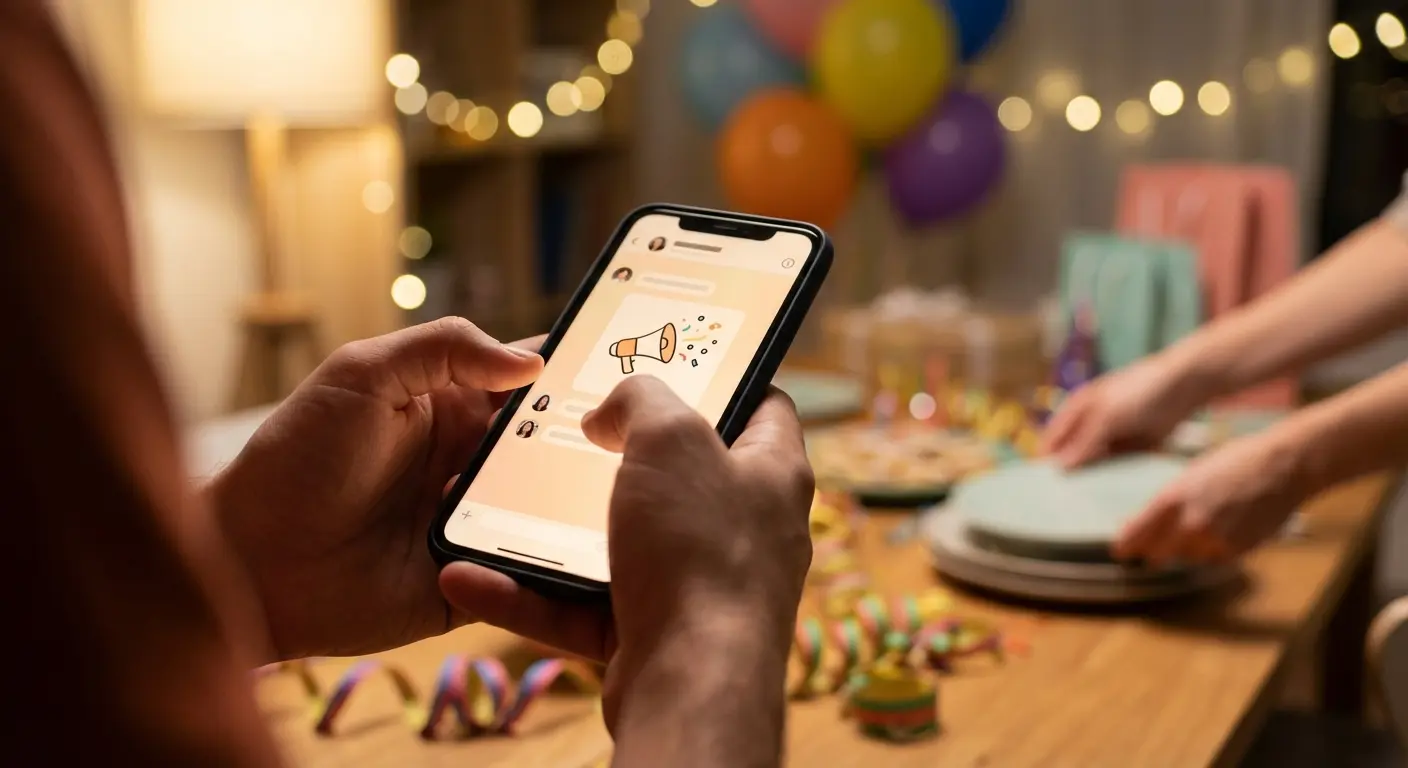
This is where broadcast updates become your best friend. With Lemonvite, you can send targeted messages to specific RSVP groups. Send an update only to people who confirmed, or nudge just the maybes, all without bothering the guests who already said yes.
And because everything runs through SMS, your messages actually get seen instead of getting buried in an email inbox or lost in a group chat with 47 unread messages. Texts get opened within minutes, which is exactly the speed you need when you're dealing with last-minute changes. And if some of your guests are abroad, that same update reaches them over WhatsApp now for anyone outside the US and Canada, so nobody misses a change just because of where they live.
Every update you send also lands on your event wall, and that turned out to matter more than the send itself. The guest who cancelled on Friday and changes their mind Saturday morning doesn't have to text you asking whether there's still room. They open their invitation and read what you posted, along with everything else you've posted since. Replies live there too, and a guest replying on the wall doesn't light up anybody else's phone, so the last-minute back-and-forth stays contained instead of turning into a forty-message group chat two hours before your event.
If you have a co-host, this gets even better. Both of you can manage communications and track responses together, so you're not playing a game of telephone trying to figure out who talked to whom.
Have a "Cancellation Playbook" Ready
The hosts who handle cancellations gracefully aren't improvising. They've thought about contingencies ahead of time. Here's a simple playbook you can steal:
48 hours before the event:
- Check your RSVP dashboard. Note how many people have confirmed versus how many are still sitting on a maybe.
- Send a friendly nudge to the maybe group. Something like: "Hey! Just finalizing plans for Saturday. Would love to know if you can make it!"
- Adjust your food/drink order based on confirmed numbers plus about half your maybes.
24 hours before the event:
- Send a broadcast to confirmed guests with any final details (parking, what to bring, start time reminder).
- If you've had significant cancellations, consider whether you want to open up extra spots to people who weren't on the original list.
Day of the event:
- If someone cancels day-of, respond graciously. A simple "No worries, we'll miss you!" goes a long way.
- Send a final "See you tonight!" message to your Attending group. This builds excitement and subtly reconfirms attendance.
After the event:
- Don't hold grudges. People who cancelled aren't bad friends. Invite them next time.
Stop Over-Apologizing for Your Event Size
I see this constantly: a host gets a wave of cancellations and starts apologizing to the remaining guests. "Sorry it's a smaller group than planned." "I know this isn't what I originally pitched."
Stop. No one who showed up is thinking about who didn't. A party with 10 enthusiastic people is better than a party with 30 people who are half-checked-out. Smaller groups often lead to deeper conversations and a lot more fun (and, honestly, less cleanup).
Own whatever size your gathering ends up being. Your energy as a host sets the tone way more than the headcount does.
The Maybe Problem (And How to Solve It)
Now for the real villain here: the perpetual maybe.
You know this person. They won't say yes and they won't say no. They say "I'll try!" or "Let me see how the day goes," or they just never respond at all, and then they either show up unannounced or ghost completely.
The best way to handle chronic maybes is to make responding easy and low-pressure. This is one reason I'm a big fan of SMS-based invitations. Responding to a text takes five seconds, with no app to download and no account to create. You reduce the friction and you get faster, more honest responses.
You can also set a soft RSVP deadline and mention it in your invitation. "Let me know by Thursday so I can finalize the food order" gives people a concrete reason to commit without feeling pressured.
And if someone stays in "Maybe" limbo right up until the event? Plan as if they're not coming. If they show up, great. If they don't, you're not caught off guard.
Turn Cancellations Into Better Future Events
Every cancellation is actually data. If you notice patterns (people always cancel your Sunday events, or your group consistently shrinks from 20 to 12), use that information.
Maybe Sunday doesn't work for your friend group. Maybe you should invite fewer people and keep things intimate. Maybe a different format, like a casual drop-in window instead of a fixed start time, would work better for your crowd.
The hosts who throw the best parties are the ones who iterate. They pay attention to what works and fix what doesn't, and they don't get rattled by a few "sorry, can't make it" texts.
Your Next Move
If you're tired of chasing RSVPs through group chats and getting blindsided by cancellations, try building your next event with Lemonvite. You'll get real-time RSVP tracking and broadcast messaging aimed at specific guest groups, all over SMS that people actually respond to.
Because the best way to handle last-minute cancellations is to see them coming and already have a plan.