
How to Choose the Right Venue for Your Event
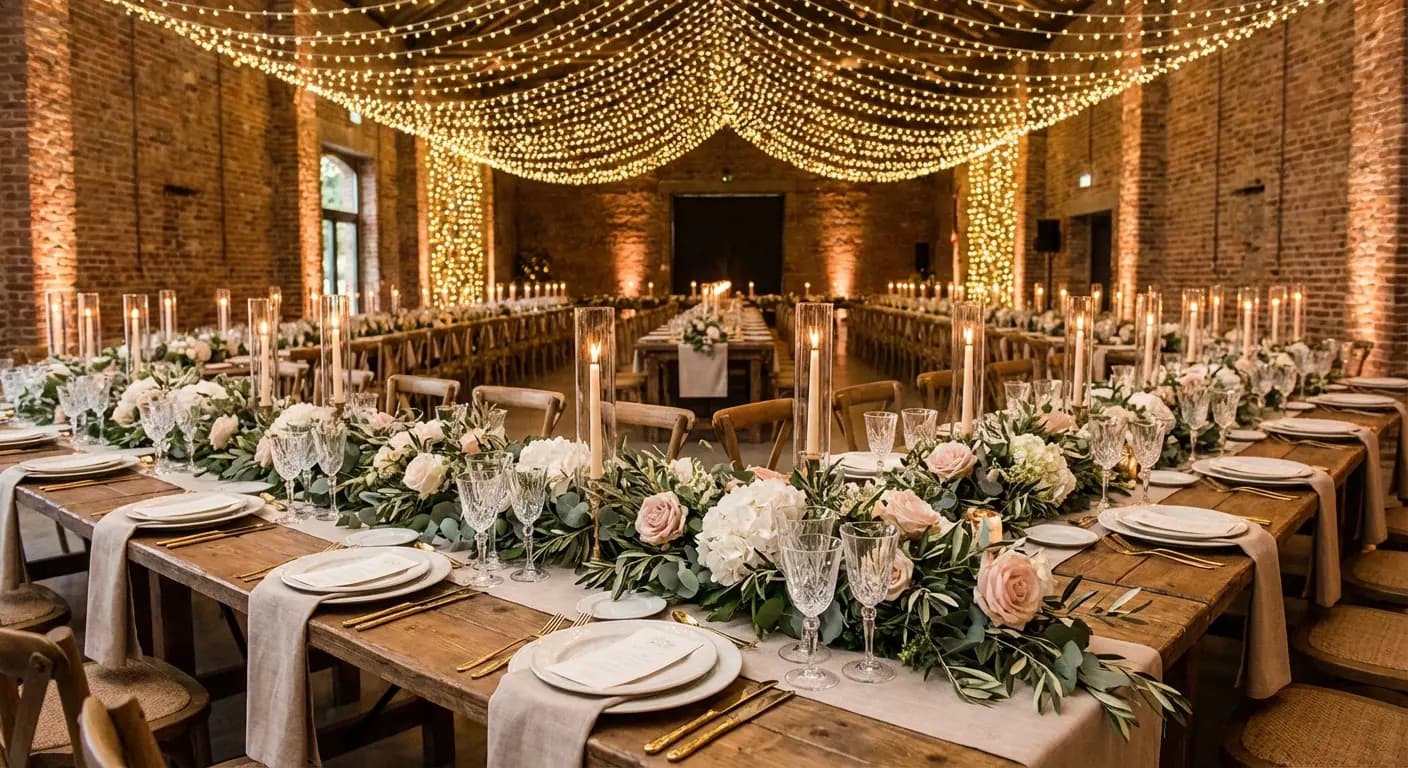
I've watched people spend weeks agonizing over color palettes and playlist order, only to realize a week out that their venue is completely wrong. The space you pick sets the tone for everything else. It decides how your guests feel the second they walk in and, honestly, whether they bother to show up at all.
None of this has to be stressful. It just takes some clear thinking before you fall in love with the first pretty space you tour. Here's how I'd actually approach it.
Start With Your Guest Count, Not Your Pinterest Board
I know it's tempting to start with aesthetics. You found this gorgeous rooftop bar or that dreamy barn on Instagram and now you're working backward to make it fit. Don't do that.
Start with your numbers. How many people are you actually inviting? And of those, how many are realistically going to come? If you're inviting 80 people, you should plan for about 60 to show up, but your venue needs to comfortably hold all 80 just in case.
This is where a real RSVP system earns its keep. When I plan events, I set a max guest capacity upfront and track RSVPs in real time using Lemonvite. I'm not guessing at the numbers. I can see exactly who has confirmed and who's still sitting on the fence, and that count drives every venue decision I make. (If your "yes" pile is thin and you're not sure why, I wrote a whole post on why no one is RSVPing.)
Too many people crammed into a small space feels chaotic. Too few rattling around a massive hall feels like a funeral. Get your headcount dialed in first.
Define the Vibe Before You Start Searching
Every event has a feeling. A 30th birthday dinner party has a completely different energy than a kid's first birthday or a company offsite. Before you even open Google, sit down and write one sentence describing the vibe you want.
Something like: "Relaxed backyard dinner with close friends and a lot of cheap red wine." Or: "High-energy dance party with a DJ and a photo wall people will actually use."
That one sentence becomes your filter. Walk into a space and the only question that matters is whether it supports the feeling you just wrote down. If it doesn't, move on, no matter how beautiful it is. A minimalist gallery space is wrong for a kids' party, and a community rec center is wrong for a sophisticated cocktail event.
Once you've named the vibe, you can carry it straight into the invitation. I use Lemonvite's design engine to make custom invitations that match the exact mood of the event, and the difference in how people respond is real. When the invite feels like a preview of the night, guests block off the date instead of filing it under "maybe." That's also why I lean on frictionless invites: the easier it is to say yes, the firmer your headcount gets.
Location Matters More Than You Think
I'll say something a lot of people won't: location beats the venue itself. A gorgeous spot 45 minutes from where most of your guests live will pull a worse turnout than a decent one 15 minutes away.
Think about where the majority of your guests are coming from. Is there parking? Is it near public transit? If people are drinking (and let's be honest, they probably are), can they easily get a rideshare home?
When I send invitations through Lemonvite, I put the full address with map integration right on the event page. Nobody has to copy an address into their phone and squint at it. They tap the map and they're on their way. It sounds minor, but cutting that one piece of friction genuinely improves who shows up.
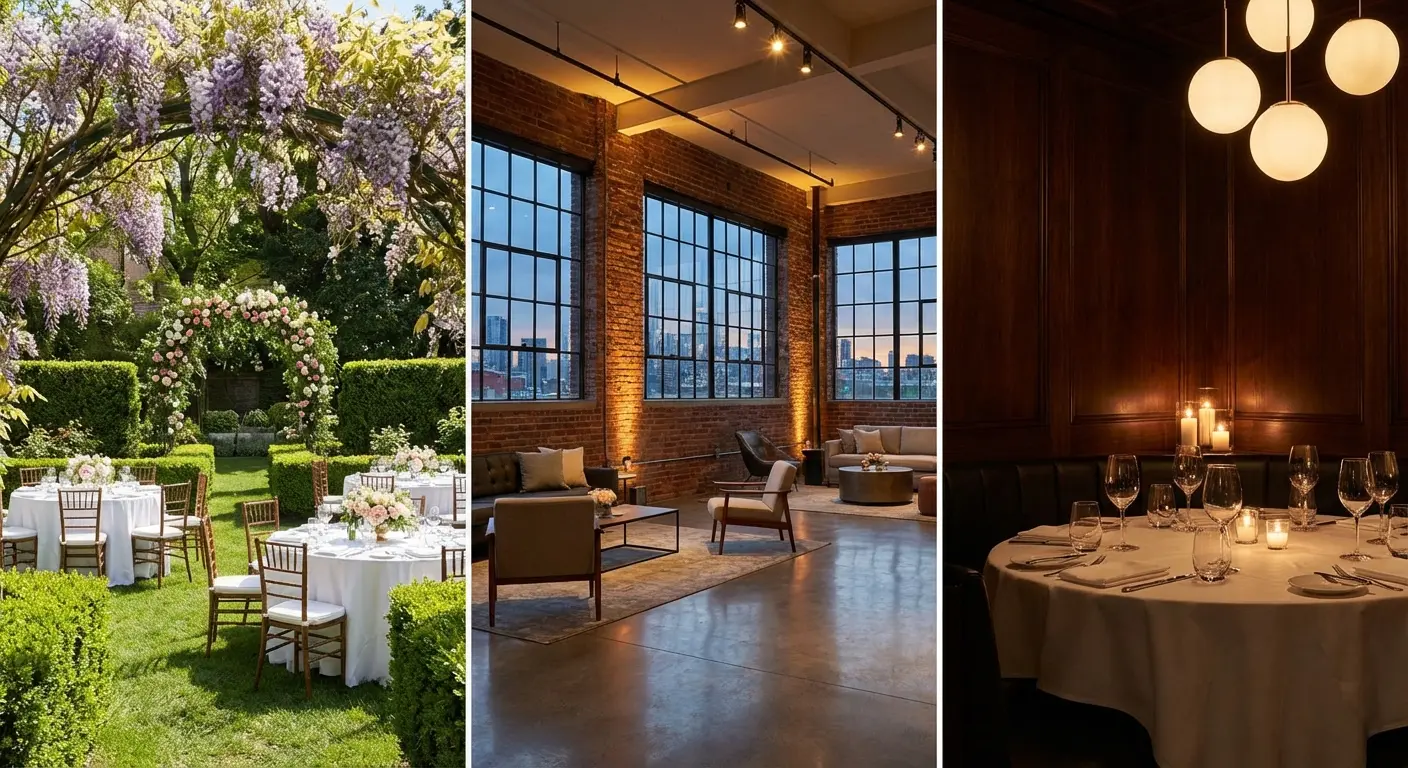
Consider the Virtual Option (Seriously)
Not every event needs a physical space. And not every guest can make it in person. I've seen more and more hosts go hybrid, where they book a venue for the local crowd and set up a virtual link for everyone else.
If you have friends or family spread across the country (or the world), this is worth considering. You can include a Zoom or Google Meet link right on your Lemonvite event page alongside the physical address. Guests who can't be there in person still feel included, and you're not limited to only inviting people within driving distance.
Even for a fully virtual event, the "venue" still matters. Your background and your lighting are doing the work the room would normally do, so give your home setup the same thought you'd give a restaurant or event space.
Ask These Five Questions Before You Book
Once you've narrowed your list to two or three venues, here's what I'd ask before signing anything:
1. What's included in the rental fee? Tables, chairs, linens, sound system, lighting? Or is the space completely empty and you're responsible for everything? Hidden costs add up fast.
2. What are the noise and time restrictions? If your event is going past 10 PM, make sure the venue allows it. Nothing kills a party faster than being told to shut it down early.
3. Can you bring your own food and drinks? Some venues require you to use their catering. Others let you bring in outside vendors. If you have a specific caterer or want to save money by handling food yourself, this is critical.
4. What's the cancellation policy? Get the financial implications of changing your date or cancelling in writing before you put down a deposit, because something always comes up.
5. Is there a backup plan for weather? If you're looking at an outdoor venue, ask about rain plans up front. An outdoor space with no indoor backup will have you refreshing the weather app for two weeks straight, so it's worth working out what to do when your event gets rained out before you book.
Plan for the Day-Of Curveballs
Even experienced hosts get tripped up by the last-minute change. The venue switches your room, or parking turns out to be a nightmare, or you need to push the start time by half an hour. When that happens, you need a way to reach every confirmed guest fast.
That's why I rely on Lemonvite's broadcast feature. One message goes out to everyone who RSVPed, instantly, over text. Guests with US and Canada numbers get it as an SMS, and anyone outside that gets the very same update delivered over WhatsApp, so a friend across the ocean hears about the room change at the same moment as the one across town. There's no group-chat chaos and no email thread anyone has to dig through, just a clean update that actually lands on people's phones. A venue hiccup stays a hiccup instead of turning into half your guests showing up at the wrong door.
Trust Your Gut (After Doing the Research)
After all the spreadsheets and site visits, there's still an instinct part to this. When you walk into the right space, you feel it. You catch yourself mentally putting the bar in one corner and the photo spot in another, picturing your guests laughing in that exact room.
Trust that feeling once you've done the work to make sure the logistics actually back it up. Gut instinct is a great tiebreaker between two solid options. It's a terrible substitute for checking whether the place fits your headcount.
Once the Venue Is Locked In
With the space settled, the next move is getting invitations out and watching the RSVPs roll in. Create your event on Lemonvite and send custom-designed invitations that match the vibe of the room you just booked. Your guest list and your RSVP tracking live in the same place as your event details, so you can stop juggling tools and get back to the part that matters, which is throwing a night people actually remember.