
The Era of the Micro-Event: Why Dinner Parties Are the New Nightclubs
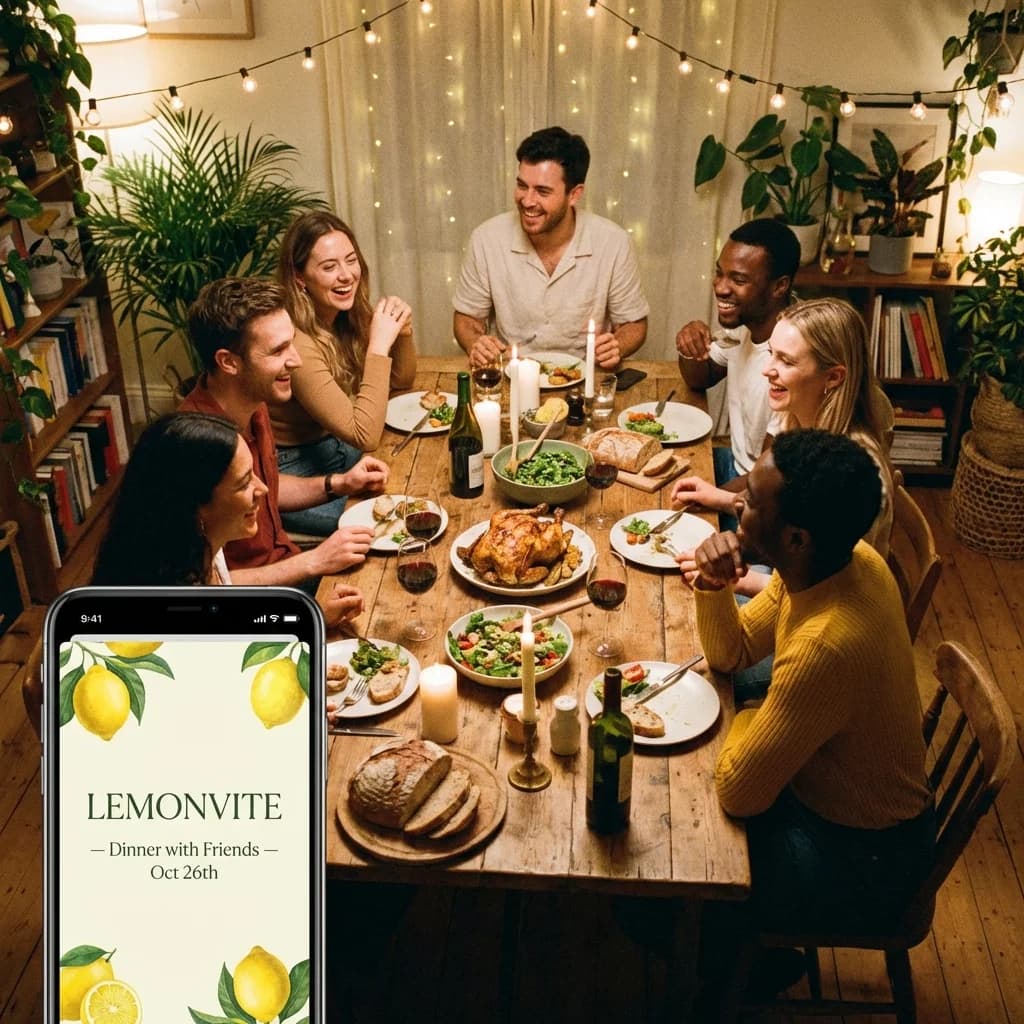
Last Friday I had two options. I could pay a cover charge, stand in a line, and then shout at my friends over a bass line until midnight. Or I could put eight people around my kitchen table with a pot of something braising and a couple of bottles of wine. I picked the table. So did most of my friends, and so, apparently, does everyone else right now.
This is the rise of the micro-event, the small, hosted gathering that has quietly replaced the big night out for a lot of people I know. Instead of scale, people want intimacy. Instead of a packed room where nobody can hear anyone, they want a table where the whole point is the conversation.
Why the micro-event is taking over
A few things pushed this shift, and they reinforce each other.
The biggest one is that people are starved for real connection. Coming out of the pandemic, a lot of us figured out that a room with a hundred strangers does very little for us, while a table with ten friends does almost everything. We want to actually hear what someone is saying without leaning in and yelling "WHAT?" four times.
There's also the look of it. We live in a visual culture, and a beautifully set table with mismatched vintage plates makes a better photo, and a better memory, than a blurry shot of a club floor at 1 a.m. Hosts have started treating their homes the way a creative director treats a shoot, using the space to show off their taste.
And then there's control. When you host, the music sits at the volume you picked and the guest list is exactly who you wanted in the room. No bouncer, no cover charge, no line for the bathroom. For a lot of people, that trade is no contest. This is part of the same broader move toward smaller, more deliberate guest lists that's reshaping millennial and Gen Z party trends.
The mistake that ruins small gatherings
Here's the trap a lot of hosts walk into: they assume small means casual. Because it's "only" a dinner party or "only" a game night, they reach for the laziest tools available. A group chat gets started. A vague "come over whenever!" goes out. Nobody knows the real plan.
But a small gathering actually demands more coordination than a big one. Dietary restrictions matter a lot more when you're personally cooking for six people instead of ordering pizza for fifty. Headcount matters when you own exactly eight chairs. And timing matters when you're serving a hot meal that won't wait around. Treat a micro-event too casually and it quietly comes apart: people flake, the food goes cold, and the whole thing feels thrown together rather than hosted.
How to host a micro-event that actually lands
We built Lemonvite for precisely this kind of hosting, the dinner-party energy without the spreadsheet. Start planning yours here. A few things make the difference between a real micro-event and a chaotic hang.
Set the tone with the invitation
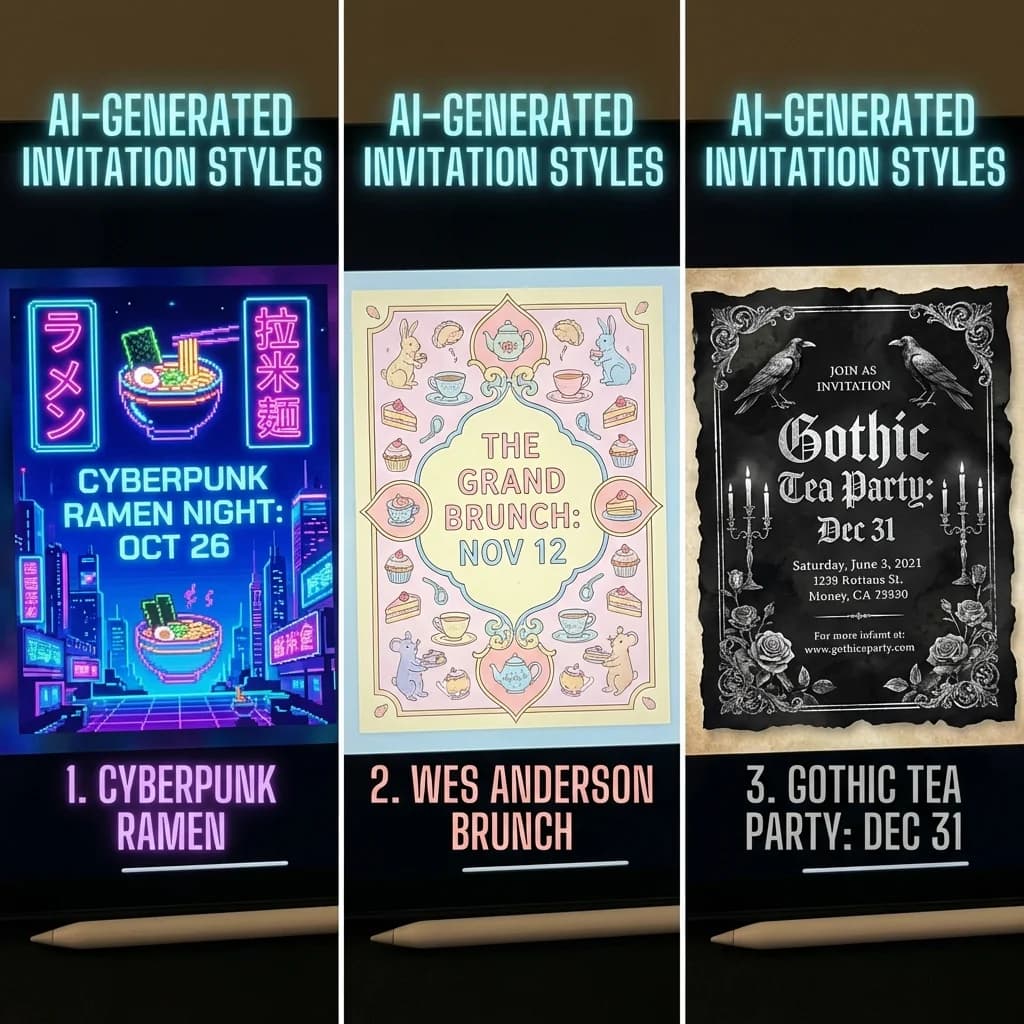
For a small gathering, the mood is the whole product, and it starts with the invite. Maybe you're throwing a cyberpunk ramen night, a Wes Anderson brunch, or a gothic Victorian high tea. You won't find those in a template library. With Lemonvite's design engine you type in the vibe and get original artwork made for that exact night, the kind of invite that tells your guests this is an experience worth showing up dressed for. If you want more in this direction, the themed dinner party trend is full of concepts that work.
Make every RSVP count
When you only have eight seats, you genuinely need to know who's coming. Lemonvite keeps that part painless. Your friends get a text, tap "Accept," and they're confirmed in about five seconds, no app and no account in the way. And for the ones who forget (some always will), automated reminders nudge them so you never have to be the person chasing people down. If you want the deeper logic behind why this works, read up on RSVP psychology.
Keep it feeling exclusive
A public social-media event and a sprawling group chat both feel like anyone could wander in. A direct Lemonvite link feels personal, more like a hand on the shoulder that says you were specifically chosen for this. That sense of having been picked is a big part of why a small gathering feels special in the first place.
Stay in, host well
The micro-event isn't a passing fad; it's the shape social life is taking. It's easier on your wallet and far better for your actual friendships. So the next time you're tempted to brave the line and the cover charge, consider staying in instead. Pick a theme, invite your eight favorite people, and let Lemonvite handle the logistics while you focus on the food and the playlist.