
10 Dinner Party Ideas That Go Beyond 'Come Over for Food'
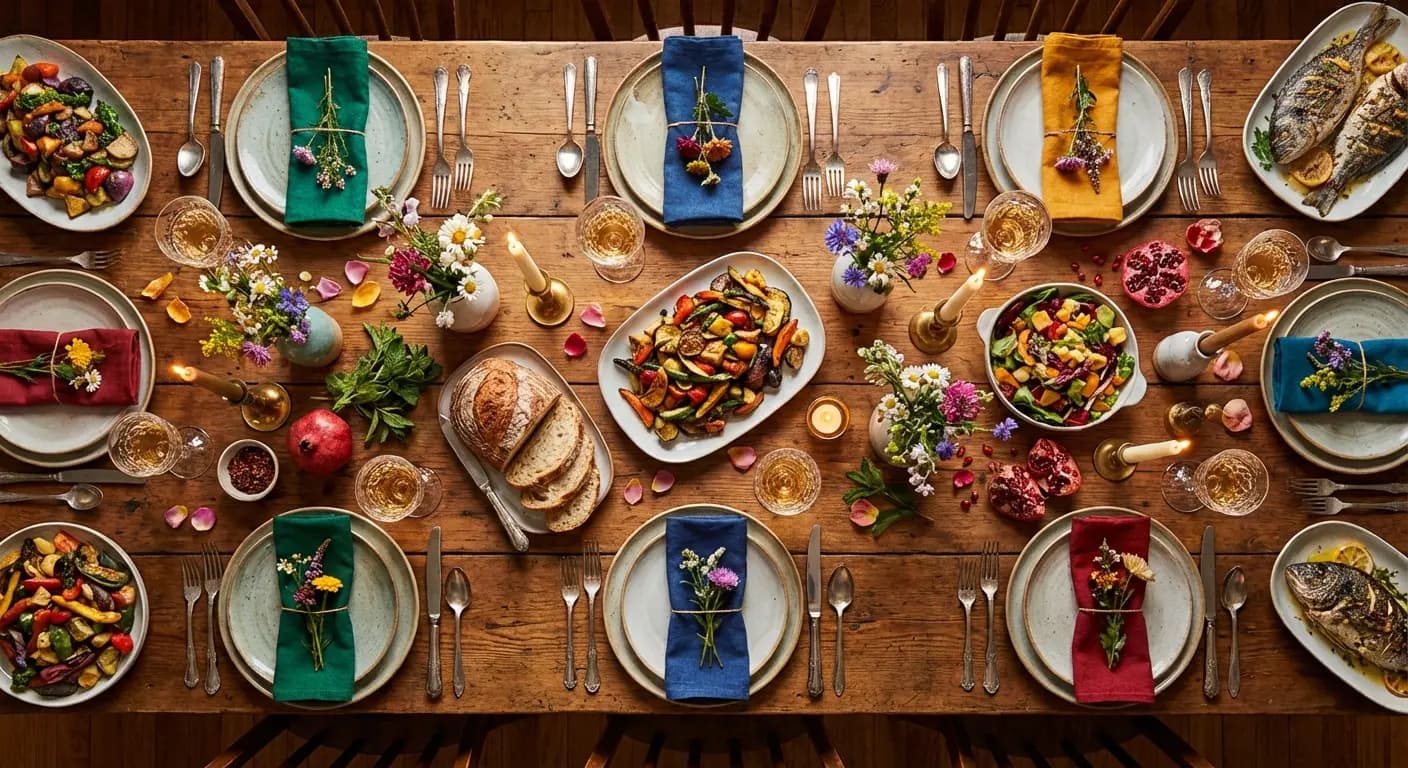
I love hosting dinner parties. But somewhere around the fifth time I texted my group chat "dinner at mine this Saturday, 7pm," I realized I'd been running the exact same evening on repeat. Same good food, same good friends, same flat formula.
So I started messing with the format on purpose, adding a theme here and a bit of structure there until each dinner felt like an event instead of just another Saturday meal. It worked better than I expected: my guests started asking when the next one was happening before they'd even put their coats on.
Here are 10 dinner party ideas that have worked brilliantly for me and my friends. A few are simple twists on the classic format and a couple are genuine productions, but every one of them beats "come over for food."
1. The Mystery Menu Dinner
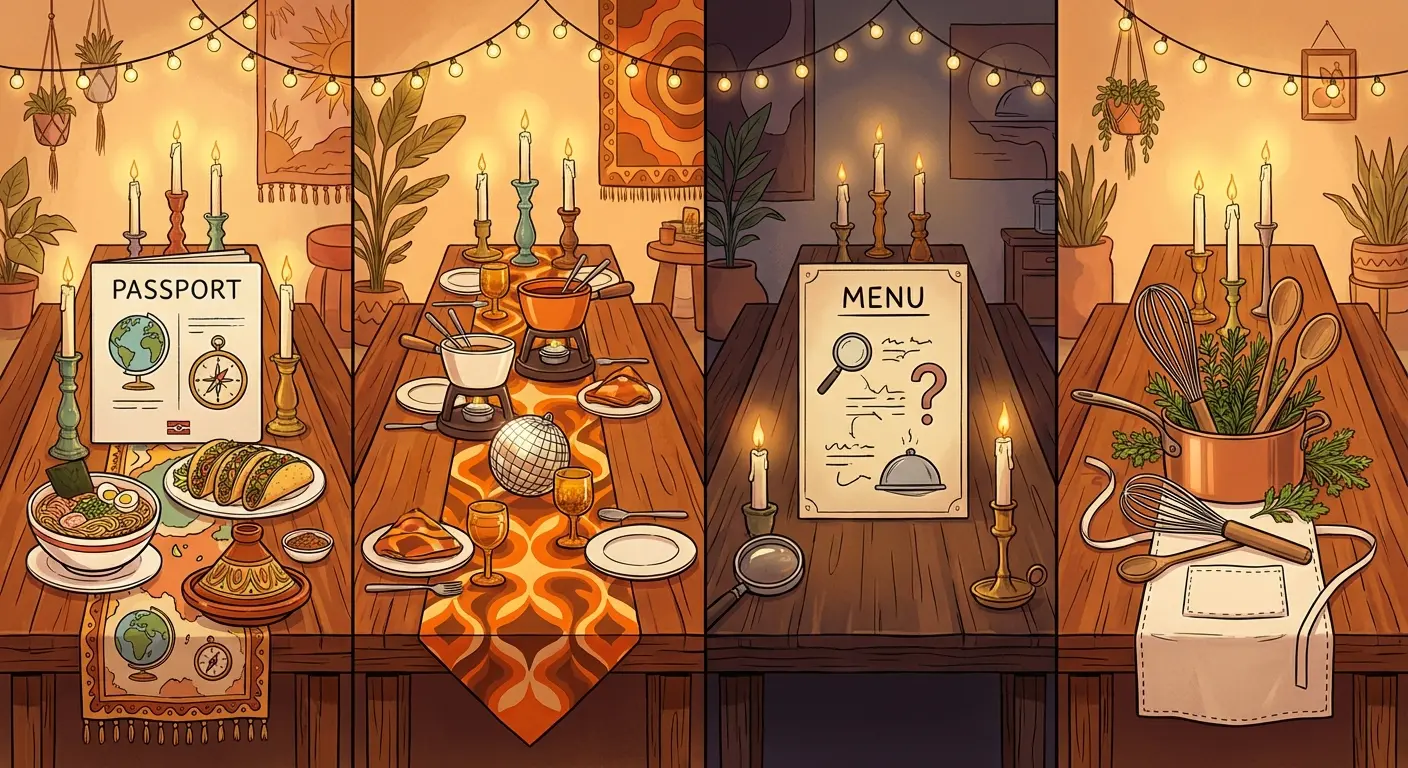
Print a menu, but replace every dish name with a cryptic clue. "Sunset in Seville" might be a saffron risotto. "Grandma's Secret" could be a family recipe you've never shared before. Guests order by clue alone, with no idea what they're getting until it lands in front of them.
This works especially well across three or four courses. Keep the portions small so people aren't overwhelmed, and enjoy the way the table erupts every time a plate arrives and the clue finally makes sense.
2. The Passport Dinner
Each course comes from a different country. Start with Japanese edamame, move to Moroccan lamb tagine, finish with Italian panna cotta. Print little "passport" cards for each guest and stamp them between courses.
I hosted one of these last fall and the conversation naturally turned into everyone swapping travel stories and dream destinations. It's a dinner party that basically runs itself.
3. The Decade Party
Pick a decade and commit. A 1970s fondue night. A 1920s speakeasy dinner. An 1980s neon potluck. Match the food, the music, and even the dress code to the era you've chosen.
The trick is picking a decade with strong, recognizable food. The '70s are gold for this: fondue, shrimp cocktail, beef Wellington, Black Forest cake. The nostalgia does half the entertaining for you. For styling, I broke down a full 70s disco party and an 80s theme party already.
4. The Chef's Table at Home
Turn your kitchen into a restaurant. Set up bar seating facing the stove, narrate what you're cooking, and serve each course straight from pan to plate. You become the night's entertainment, which sounds terrifying but is actually a relief: nobody expects you to also be sitting down making small talk.
This works best with four to six guests; any more and the intimacy breaks down. Pair each course with a specific wine or cocktail and you've got a tasting-menu experience at home. My wine tasting party guide covers how to build a flight without overthinking it.
5. The Ingredient Challenge
Pick one hero ingredient and make every dish feature it. Lemon, mushroom, honey, goat cheese, whatever you land on. The constraint forces creativity and gives the evening a through-line.
I did a "honey dinner" once: honey-glazed carrots, honey-mustard salmon, honeycomb on a cheese board, and lavender honey ice cream. It hung together in a way that a random grab-bag menu never does.
6. The Progressive Dinner (One House Edition)
Traditionally, progressive dinners move from house to house. You can do the same thing room to room: appetizers in the kitchen, salad at the dining table, the main in the living room with floor cushions, dessert out on the patio.
Give each room its own vibe with different lighting and a different playlist. It keeps people moving and heads off that stuck-at-the-table-for-three-hours feeling.
7. The Cookbook Club
Everyone picks a recipe from the same cookbook and brings it to the table. You end up with an eclectic spread that's somehow cohesive, because it all came from one author.
Ottolenghi books are perfect for this, and so is anything by Samin Nosrat. Send out the cookbook pick two weeks early so people have time to shop and prep.
This is where good planning tools earn their keep. When I host cookbook club, I use Lemonvite to send themed invitations that match the book's mood and include a "what to bring" section. Guests can see what everyone else is making, dodge duplicates, and note dietary needs in their RSVP. No spreadsheet required.
8. The Blind Taste Test Dinner
Build the whole evening around a tasting. Wine flights, olive oil varieties, hot sauces, chocolate bars, cheeses from different regions. Serve each one blind and have guests score them on little cards.
Reveal the winners at the end. People get surprisingly competitive, and the arguments over which sample was which are half the entertainment. This also works well for a smaller group.
9. The Potluck With a Twist
A regular potluck can be hit or miss. A themed potluck is a different animal. Tell everyone to bring a dish that represents their childhood, or a recipe from their heritage, or something they've never cooked before.
The theme gives structure without being rigid, and the stories behind each dish make the meal far richer than a random assortment of sides. My potluck guide has the assignment system I use so two people don't both show up with potato salad.
For potluck nights I lean on Lemonvite's co-hosting feature so a friend can help manage the guest list and RSVPs. The broadcast tool makes it easy to message everyone at once when plans shift, and at $5 per event it costs less than the appetizer.
10. The No-Phones Dinner
This one is less about the food and more about what happens to the room. Collect everyone's phones at the door, drop them in a basket, and make a small ceremony of it. Then serve a great meal and watch the table when nobody's scrolling or texting under the edge of it.
The conversations go deeper and the laughter gets louder, and people actually look at each other for two straight hours. I went in skeptical and came out convinced. It was the most memorable dinner party I hosted all year.
Making It Happen Without Losing the Plot
For me, the cooking was never the scary part of hosting. The coordination was. Who's actually coming? What is everyone bringing? Does anyone have allergies? And did half the group even see the message in the chat?
That's why I started using Lemonvite for my dinner parties. The design engine builds a custom invitation that matches whatever theme I'm running, so the evening's mood starts the moment the invite lands. People RSVP with dietary notes built right in, and I track everything from one place instead of juggling texts and DMs and a stray email thread. My guide to event descriptions walks through how to set the tone without sounding like a homework assignment.
Hosting a mystery menu for twelve is a different beast than a no-phones dinner for four, but a little structure goes a long way for both. Pick one of these ideas, lock a date, and send the invite.
Your guests will thank you.