
6 Memorial and Celebration of Life Ideas That Feel Right
Planning a gathering after losing someone is one of the hardest things you will ever do. You are grieving and exhausted, and somehow you are also expected to make decisions about food and logistics and a guest list while your whole world feels upside down.
I want to start by saying this: there is no wrong way to do it, and no rulebook to follow. A celebration of life is whatever feels right to you and the people who loved the person you are honoring.
But when you are in the middle of grief, a few ideas to lean on can be a real relief. So here are six celebration of life ideas that I have watched bring genuine comfort, both to the people who planned them and to the guests who came.
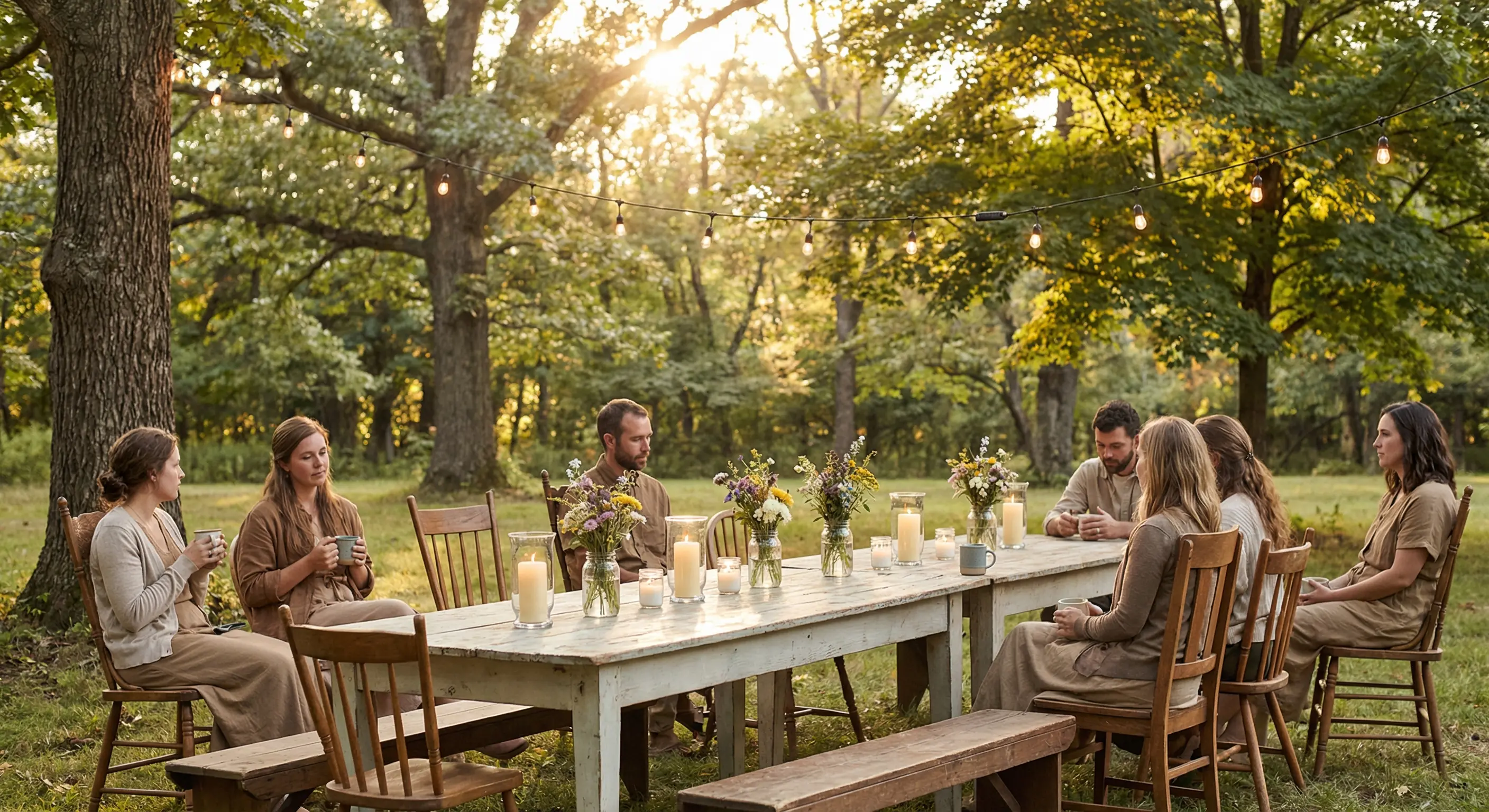
1. A Memory-Sharing Gathering
This is the most common format for a celebration of life, and for good reason: it does the job better than almost anything else.
Set up a space, whether that is your living room, a park pavilion, or a rented venue, and invite people to share stories rather than formal eulogies. The funny ones, the small ones, the ones that make you laugh through tears.
The key is creating an environment where people feel comfortable speaking up. A few things that help: arrange seating in a circle or semicircle rather than rows. Have someone you trust gently moderate and invite people to share when there is a lull. Keep it open-ended. Some people will talk for five minutes. Others will say one sentence and sit down. Both are perfect.
If you want to capture these stories, ask a friend to record them on a phone (with everyone's permission). Months from now, those recordings become something precious.
2. A Favorite Things Party
This one gets me every time I see it done.
Invite guests to bring something that reminds them of the person you are honoring. Maybe it is their favorite candy bar, a book they always pushed on people, the hot sauce they put on everything, or a playlist of the songs they loved.
Set up a table where people can place their items and write a short note explaining why they brought it. By the end of the gathering, that table becomes a portrait of a life, told through the objects and details that mattered.
Serve the person's favorite foods if you can. Their go-to takeout order. Their signature dish. The dessert they always requested at holidays. Food is memory, and sharing someone's favorites feels like a small act of closeness.
3. An Outdoor Remembrance
Some celebrations of life belong outside. Especially if the person you are honoring loved the outdoors, a gathering in nature can feel more fitting than any indoor venue.
This could be a picnic at their favorite park, a beach gathering at sunset, or a hike to a place that meant something to them. Keep it simple. Bring blankets and something to eat, plus a few photos or mementos to pass around.
If you are planning something near water, a flower release is a beautiful and low-key ritual. Each guest places a single flower on the water. It is quiet. It is communal. And it gives people something to do with their hands during a moment that can feel heavy.

4. A Living Memorial Project
Instead of a single gathering, some families choose to create something lasting together. Planting a memorial garden. Painting a mural. Assembling a scrapbook or photo album. Building a Little Free Library in the person's honor.
The beauty of this approach is that it gives people a task. Grief can make you feel helpless, and working on something tangible, with your hands, alongside others who are also hurting, can be genuinely therapeutic.
One family I know invited guests to each paint a stone with a word or image that reminded them of their mother. Those stones now line the garden bed at the family home. It cost almost nothing and it means everything.
5. A Potluck of Comfort
A memorial gathering does not have to be formal. Sometimes the most healing thing is simply being in a room together, eating good food, and letting conversation happen naturally.
Host a potluck at someone's home and ask each guest to bring a dish the person loved or one that brings them their own comfort. Put out the food, put on music the person enjoyed, and let people eat, talk, cry, and sit in silence together. (If you want it to come together without three people bringing the same casserole, my potluck guide covers how to coordinate it gently.)
This format works especially well for smaller, more intimate gatherings. Not every celebration of life needs 80 people and a microphone. Sometimes it is 12 people around a kitchen table, and that is exactly right.
6. A Delayed Celebration
People rarely say this out loud, so I will: you do not have to plan a memorial gathering immediately.
The days right after a loss are chaotic. You are buried in logistics and paperwork, running on a level of emotional exhaustion that makes planning anything feel impossible. If a traditional funeral or service is already happening in those first days, the celebration of life can wait.
Some of the most meaningful celebrations I have attended happened weeks or even months after the loss. By then the initial shock has softened just enough that people can actually be present. Stories flow more easily, laughter comes a little freer, and the person organizing it has had time to plan something that genuinely reflects who they are honoring instead of scrambling through it half-numb.
Getting the word out without the extra stress
One of the harder parts of planning a memorial gathering is the communication. You need to reach a lot of people, some of whom you may not know well, and you need to do it quickly and clearly.
This is where I will mention what I use. Lemonvite sends invitations by SMS and email, and a text message almost always gets seen the same day, while email can sit unread for a week. When you are organizing a celebration of life, you cannot afford for the details to get buried in someone's inbox. And if loved ones live abroad, that same invitation reaches guests outside the US and Canada over WhatsApp, so distance does not leave anyone off the list.
The design engine creates a custom invitation based on what you describe, so you can set a tone that feels appropriate to the occasion. You skip the generic templates and end up with something personal and respectful that matches the spirit of the gathering you are planning.
A few features matter specifically for memorial gatherings. RSVP tracking is frictionless: guests respond with Attending, Maybe, or Declined without creating an account or downloading an app, which counts for a lot when you are reaching out to extended family and old friends who may not be especially tech-savvy. (If the responses trickle in slowly, the gentle follow-up nudge is a separate art worth getting right.)
The RSVP notes field is quietly useful here. You can ask guests whether they would like to share a memory or a reading during the gathering, or whether they have dietary needs, accessibility requirements, or trouble with directions. It is a small touch that shows care during a difficult time.
Broadcast messaging covers the moments when plans change. Share parking information, push a time update, or send a group thank-you afterward by messaging all guests, or just specific groups, in one step. Sending one announcement instead of forty individual texts is a real gift when you are grieving.
You can also add up to 10 co-hosts to help run the event, and you should. If you are the closest family member, the last thing you need is to be the sole logistics coordinator too. Let a trusted friend or sibling handle RSVPs and guest communication while you focus on being present.
And every Lemonvite event is private by default and not indexed by search engines, which for something this personal genuinely matters.
One last thought
The person you lost would not want you stressing about getting any of this perfect. What they would want is for you to be surrounded by people who love you and who loved them, with some laughter mixed into the tears and a decent meal in front of you.
So trust your instincts and pick the celebration of life idea that feels true to the person, even if a more impressive-looking version exists. The people who show up are not coming for the venue or the catering. They are coming for the same reason you are, to remember someone together.
Create your invitation on Lemonvite whenever you feel ready. It takes a few minutes and costs $5, which makes it one less thing to carry during a stretch when everything already feels like a lot.