
Best Eventbrite Alternatives for Private Events in 2026
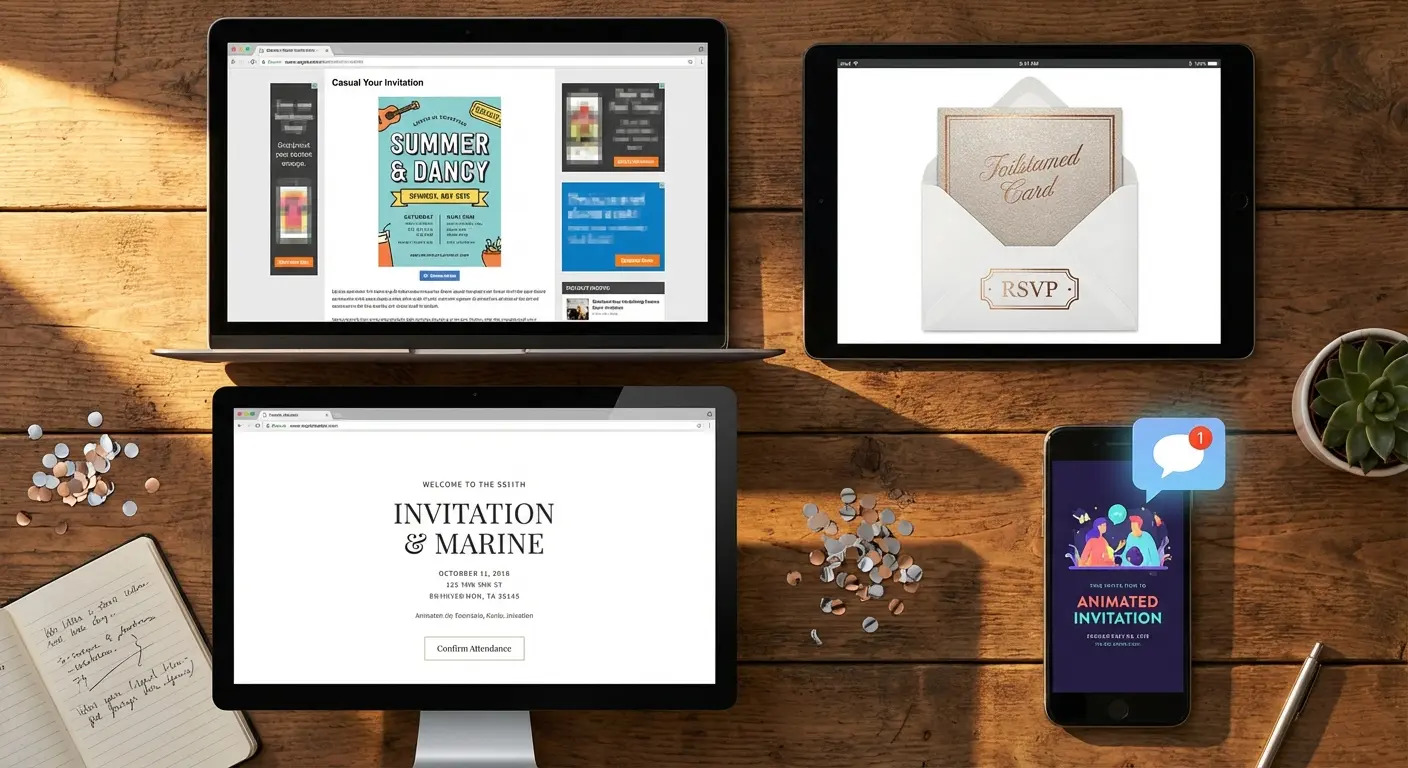
Eventbrite is a fantastic platform. I mean that sincerely. If you're running a public conference, a charity fundraiser, or a weekend workshop with 300 attendees and tiered ticket pricing, Eventbrite will handle it beautifully. Discoverability, payment processing, waitlists, check-in apps. It's built for that world.
Your friend's baby shower is not that world.
If you've ever tried to use Eventbrite for a birthday party, a dinner, or a bridal shower, you already know the friction. There are no tickets to sell. The last thing you want is your event indexed on Google, or guests creating accounts just to say "yes, I'll be there." All you really want is to send something beautiful to a specific group of people and know who's coming.
Eventbrite wasn't designed for that, and trying to force it into that role creates more problems than it solves. So if you're looking for an eventbrite alternative for private events, here are the best options in 2026. I've used all of them, and I'll give you an honest take on each.
Evite: The free workhorse
Evite has been around since the late '90s, and it shows. The brand recognition is unmatched. Your parents know what an Evite is. That familiarity keeps it relevant, especially for casual events where budget is the top priority.
What works: The free tier gives you access to a large template library and basic RSVP tracking. You can get an invitation out the door in a few minutes without paying anything. For a low-stakes hangout where you just need a headcount, it does the job.
What doesn't: The free experience comes loaded with ads. Your guests open a link to your birthday dinner and see banner ads for insurance or meal kits before they see the event details. The templates are dated, the platform feels stuck in the email era, and the RSVP process pushes guests toward creating accounts. If you upgrade to Evite's premium tier, the ads go away, but paying just so you don't annoy your guests should really be the starting point.
Best for: Casual events where free is the only requirement and you can tolerate ads on your invitation. If you're weighing it specifically against a custom-design option, I broke that down in Evite vs. Lemonvite.
Paperless Post: The polished choice
Paperless Post brought elegance to digital invitations. The envelope animations, the curated designs, the brand partnerships with designers like Kate Spade. It feels premium, and for a long time it was the clear step up from Evite.
What works: The design quality is genuinely high. If you want something that looks like it came from a stationery shop, Paperless Post has options. Their premium cards feel elevated, and the customization within templates is decent. It's a good fit for weddings, formal dinners, and events where visual presentation matters.
What doesn't: The pricing model is confusing. Paperless Post uses a "coin" system where you buy coins to unlock premium designs and send them to guests. A single card might cost 1 to 3 coins per recipient, and coins aren't cheap. For a party with 50 guests, costs add up fast. It's hard to predict what you'll spend before you're deep into the design process. Delivery is email-based, which means your invitation lands in inboxes alongside newsletters, promotions, and spam. Open rates for email hover around 20%, so a good chunk of your guests might never see it.
Best for: Formal events where you want polished design and don't mind navigating coin-based pricing.
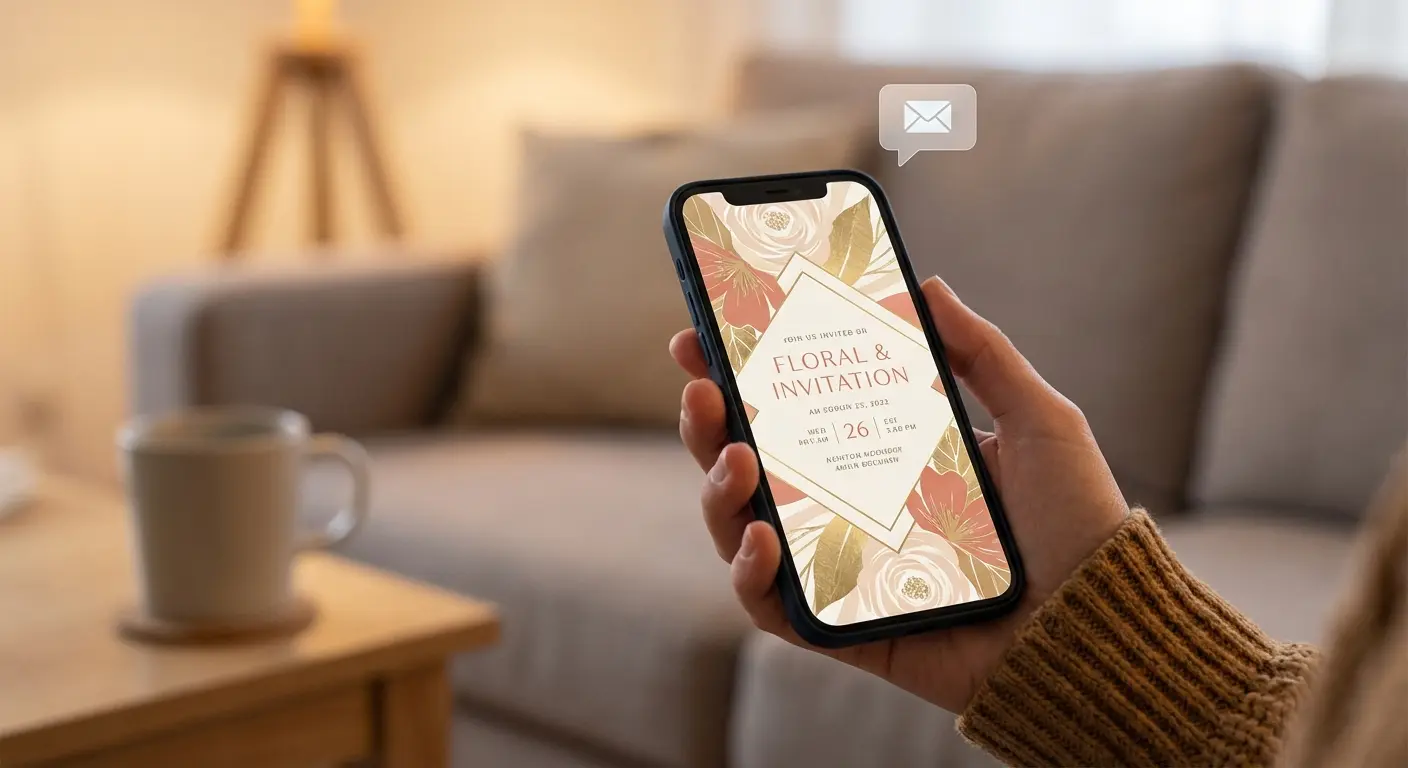
Punchbowl: The underrated middle ground
Punchbowl doesn't get as much attention as Evite or Paperless Post, but it's a solid option that sits between the two. It covers birthday parties, holiday gatherings, and casual celebrations with a cleaner interface than Evite and lower costs than Paperless Post.
What works: The free tier is more generous than you'd expect, with a reasonable template selection and basic event management. Punchbowl also bundles in extras like thank-you notes and party supply suggestions, which can be handy if you want a one-stop planning hub. The interface is more modern than Evite's, and navigation is intuitive.
What doesn't: The free tier still includes ads, though they're less aggressive than Evite's. Premium designs require payment, and the template library, while decent, still locks you into pre-made layouts. Delivery is email-first, which brings the same open rate issues as Paperless Post. The platform also leans into upsells for physical products like party supplies and printed cards, which can clutter the experience when all you want is an invitation.
Best for: Hosts who want something cleaner than Evite without the premium pricing of Paperless Post, and who don't mind a few ads.
Lemonvite: Private by default, designed for personal events
Full transparency: this is our platform. But I believe it fills a gap that every other option on this list leaves open, so here's the honest case for it.
Lemonvite was built specifically for private gatherings. Not conferences. Not public workshops. Birthday parties, baby showers, dinner parties, bridal showers, housewarmings. The kinds of events where you have a specific list of people you want there, and the invitation should feel personal.
No templates. Custom design for every event. You don't browse a library of pre-made layouts. You describe your event and what you want the invitation to look like. The design engine generates a completely original invitation from scratch. You can upload reference images for inspiration, whether that's a photo of the venue, a color palette you love, or a vibe you found on Pinterest. Every invitation is unique to your event. No one else will send the same card.
SMS delivery that people actually see. This is the biggest practical difference between Lemonvite and every other eventbrite alternative on this list. Instead of relying on email, Lemonvite sends invitations via text message. Text messages have a 98% open rate. Email sits around 20%. Your guests tap the link, see a beautifully designed invitation, and RSVP, without hunting through spam folders or telling you later that they never got it. And if your list crosses borders, guests outside the US and Canada get the very same invitation delivered over WhatsApp, so nobody gets left out.
Zero guest friction. Guests don't create accounts, download an app, or remember a password. They tap a link and respond. That's it. This matters more than most platforms acknowledge. Every extra step between "open invitation" and "RSVP" costs you responses.
Private by default. Your event isn't indexed by search engines. There's no public marketplace. Your guest list and event details belong to you and the people you invited. Privacy is baked into how the platform works from the ground up, not a setting you have to dig up and switch on.
Co-hosting and broadcasts. You can add co-hosts who help manage RSVPs and send updates. When plans change, you can broadcast messages to all guests or filter by RSVP status. Changed the start time? Message everyone who said "Attending." Need to nudge people who haven't responded? Send a follow-up to just that group. No group text chaos.
$5 per event. No coin math. No hidden charges. Every feature is included in the event price. Compared to Paperless Post's unpredictable coin costs or the ad-supported free tiers elsewhere, the pricing is refreshingly simple. Events with larger phone guest lists may need additional credits to cover texting costs.
Which eventbrite alternative should you pick?
It depends entirely on what you're planning.
If free is all that matters and you can live with ads, Evite or Punchbowl will get you there.
If you want polished, formal design and don't mind email delivery and coin-based pricing, Paperless Post is a strong choice.
If you want a custom-designed invitation that reaches guests via text, frictionless RSVPs with no account creation, full privacy, co-hosting, and a $5 price, that's what we built Lemonvite to do.
Eventbrite is excellent at what it was made for. But private events deserve a tool that was made for them. Your birthday party shouldn't feel like a conference registration page. Your baby shower shouldn't require guests to make an account on a ticketing platform. The invitation should feel personal, the RSVP should take seconds, and the whole experience should be easy for you and your guests.
Create your first Lemonvite invitation and see what a custom-designed, private event invitation looks like. It takes about two minutes.